Stop Killing Your Phone Battery: 2026 Charging Guide
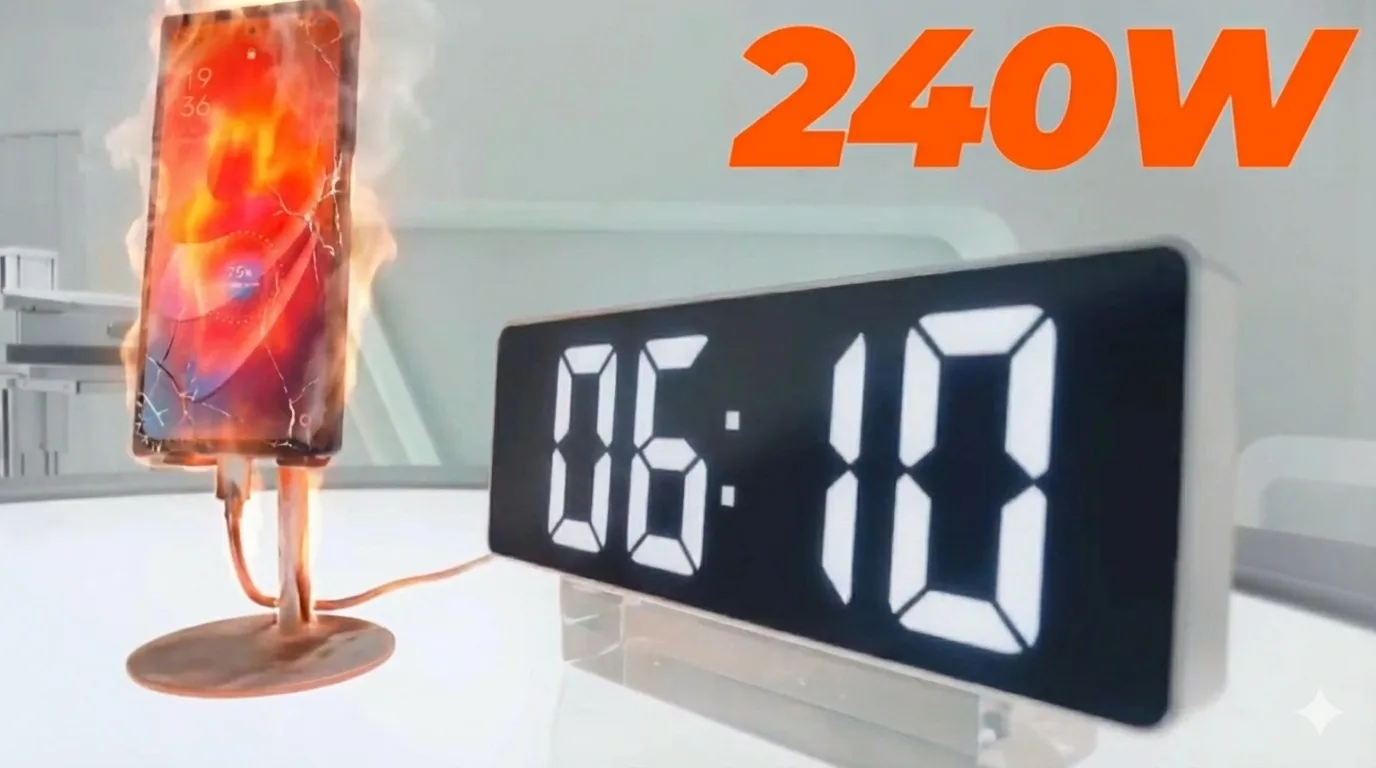
Smartphone batteries have become one of the biggest concerns for users in recent years. Fast charging speeds are getting ridiculously fast, wireless charging is now everywhere, and social media is filled with battery “tips” that often contradict each other. One person says never charge overnight, another says never use fast charging, while someone else claims your battery will last forever if you keep it between 20% and 80%.
At some point, it becomes hard to separate facts from fear. So if you’ve ever wondered whether your charging habits are ruining your phone, this guide breaks everything down in a practical, real-world way — without myths, panic, or exaggerated advice.
Fast Charging Is Not the Villain People Think It Is
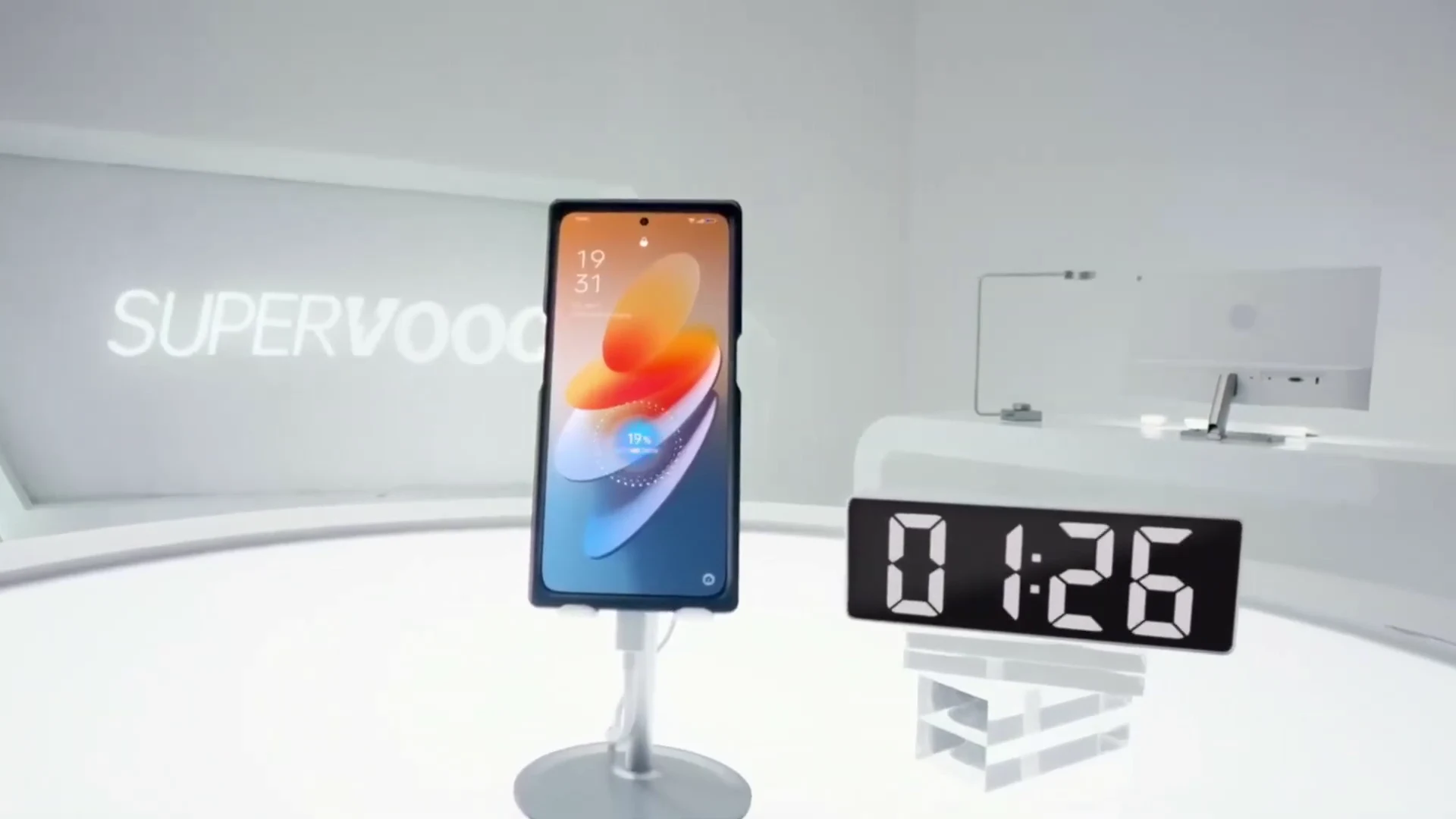
One of the biggest fears people have today is fast charging. It makes sense too. When you see a phone jump from 0% to 100% in less than 15 minutes, it feels unnatural. Common sense tells you that pushing that much power into a small battery must be dangerous. But surprisingly, long-term battery tests show that charging speed itself is not the real problem.
Modern smartphones are designed around these charging systems. Brands now use advanced charging controllers, temperature sensors, split battery designs, adaptive voltage management, and intelligent charging algorithms that constantly communicate with the charger in real time. The phone already knows when to slow things down.
This is why charging is always fastest at lower percentages. When your battery is almost empty, it can absorb power more easily. But as it gets closer to full capacity, resistance increases, heat builds up, and the charging speed automatically slows down. That slowdown is intentional.
In fact, many long-term battery experiments have shown that the difference between slow charging and fast charging after years of use is much smaller than most people expect. The actual damage usually comes from one thing: heat.
If your phone remains cool or only slightly warm during charging, your battery is generally fine. But if the device becomes extremely hot regularly, especially while gaming or sitting in a poorly ventilated area, degradation speeds up significantly. So no, using your official fast charger is not secretly destroying your battery overnight.
The 20% to 80% Rule: Helpful, But Overhyped
You’ve probably heard the famous advice before: “Never charge past 80%.” “Never let your phone drop below 20%.” Technically, this advice is based on real battery science. Lithium-ion batteries experience the most chemical stress when sitting at extremely high or extremely low charge levels for long periods.
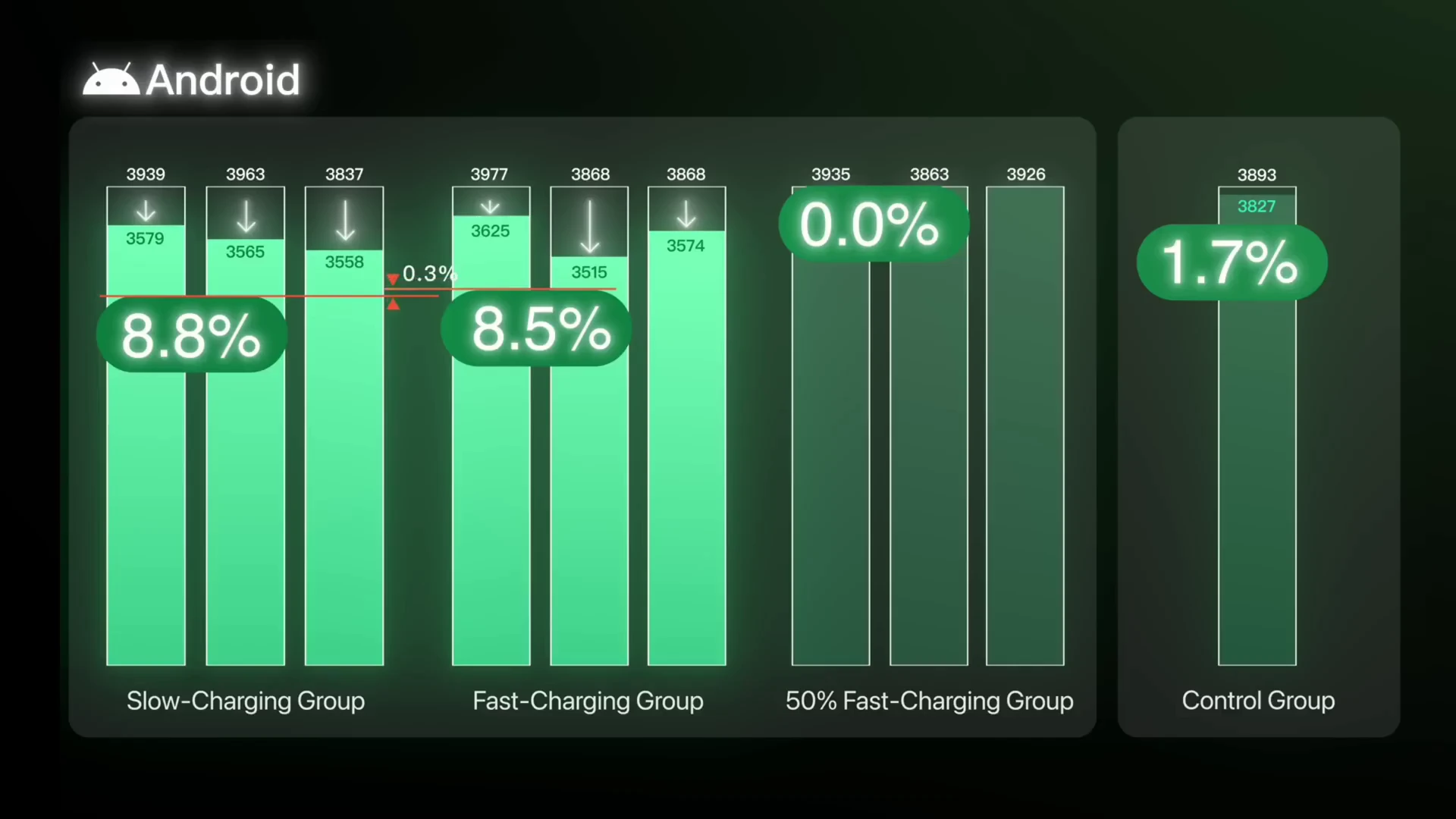
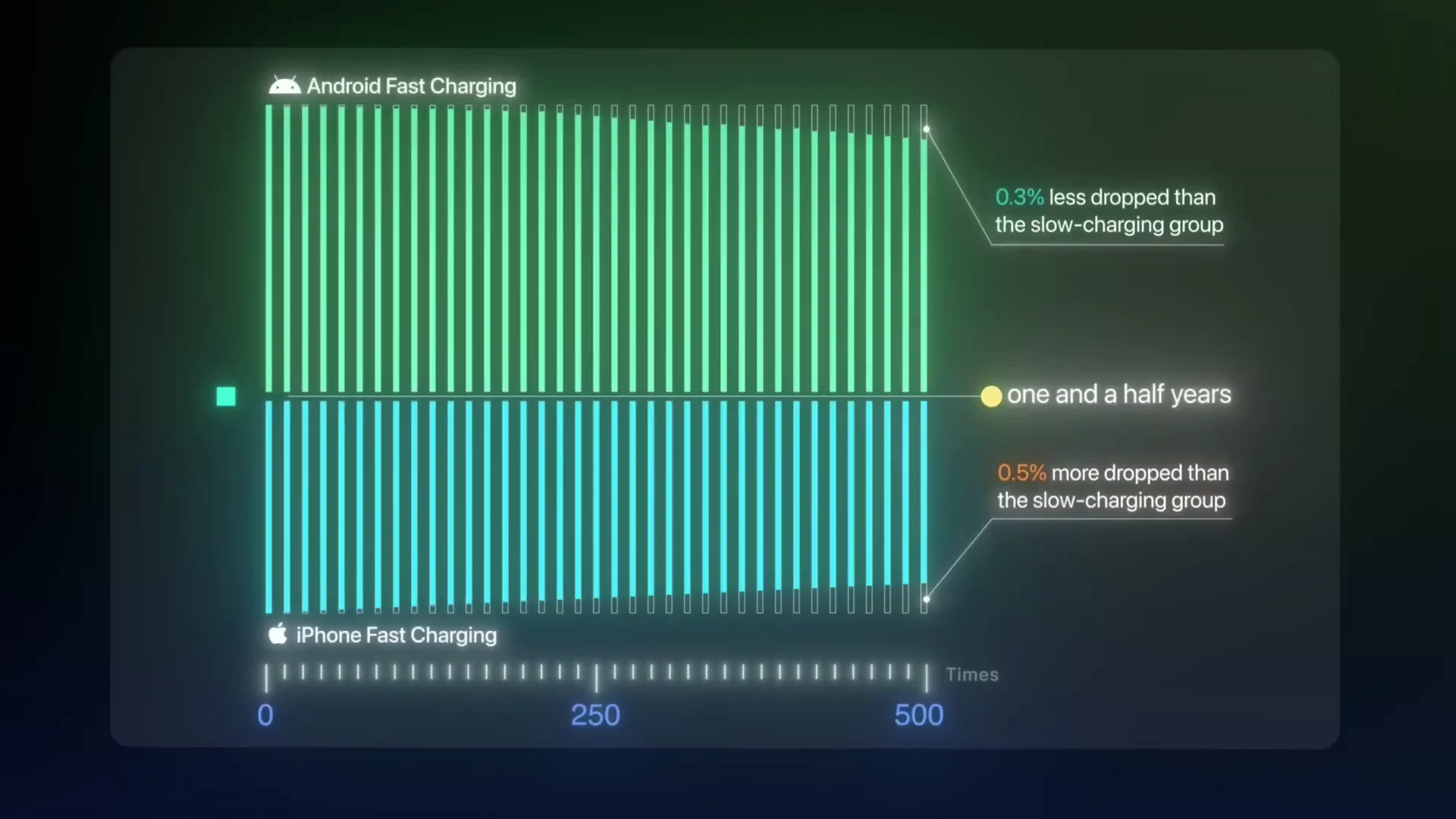
A battery sitting at 100% for hours experiences more strain than one resting around 70% or 80%. Likewise, repeatedly draining a phone to 0% also increases wear over time. But here’s the part most people don’t mention: the difference in real-world battery health is usually smaller than the internet makes it sound.
You are not going to destroy your battery because you charged to 100%. You are also not going to magically double battery lifespan by obsessively unplugging at exactly 79%.
Most modern phones now include software features that already handle this automatically. On many Android devices, you’ll find settings like Adaptive Charging, Battery Protection, or Maximum Protection. On iPhones, features like Optimized Battery Charging delay the final part of charging until you’re likely to wake up. These features exist because manufacturers already understand how batteries behave.
Instead of stressing over percentages every day, the smarter approach is simple:
- Avoid staying at 0% constantly
- Avoid excessive heat
- Let the software manage charging whenever possible
- And when you genuinely need a full charge for travel, gaming, work, or long days outside, just charge to 100% and move on with your life.
Your phone is supposed to serve you, not the other way around.
Heat Is the Real Battery Killer
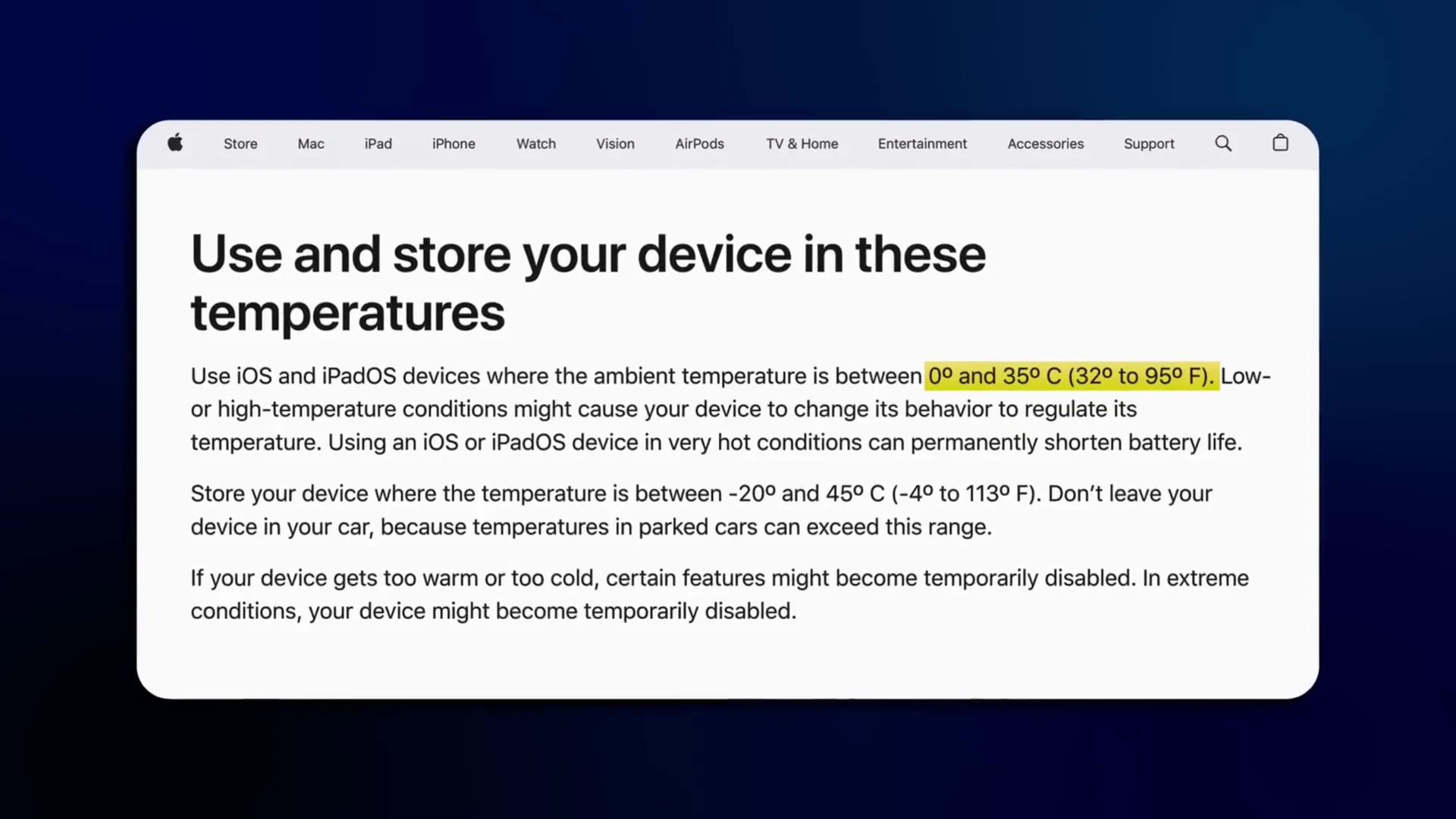
If there’s one thing that consistently destroys battery health faster than anything else, it’s heat. Not fast charging. Not overnight charging. Not wireless charging. Heat.
High temperatures accelerate battery degradation dramatically. Once temperatures climb too high, the internal chemical reactions inside lithium-ion batteries become unstable and wear increases much faster.
This is why certain habits are genuinely harmful:
- Charging your phone under a pillow
- Leaving it in direct sunlight
- Gaming heavily while charging
- Using poor-quality chargers that overheat
- Leaving phones inside hot cars
Many people don’t realize that even the phone case itself can trap heat during charging sessions. If your phone feels unusually hot while charging, especially during gaming or video rendering, removing the case temporarily can help with cooling.
Modern smartphones already throttle performance automatically when temperatures rise too much, but repeated exposure to heat still affects long-term battery health.
Deep Discharge Is Worse Than Frequent Charging
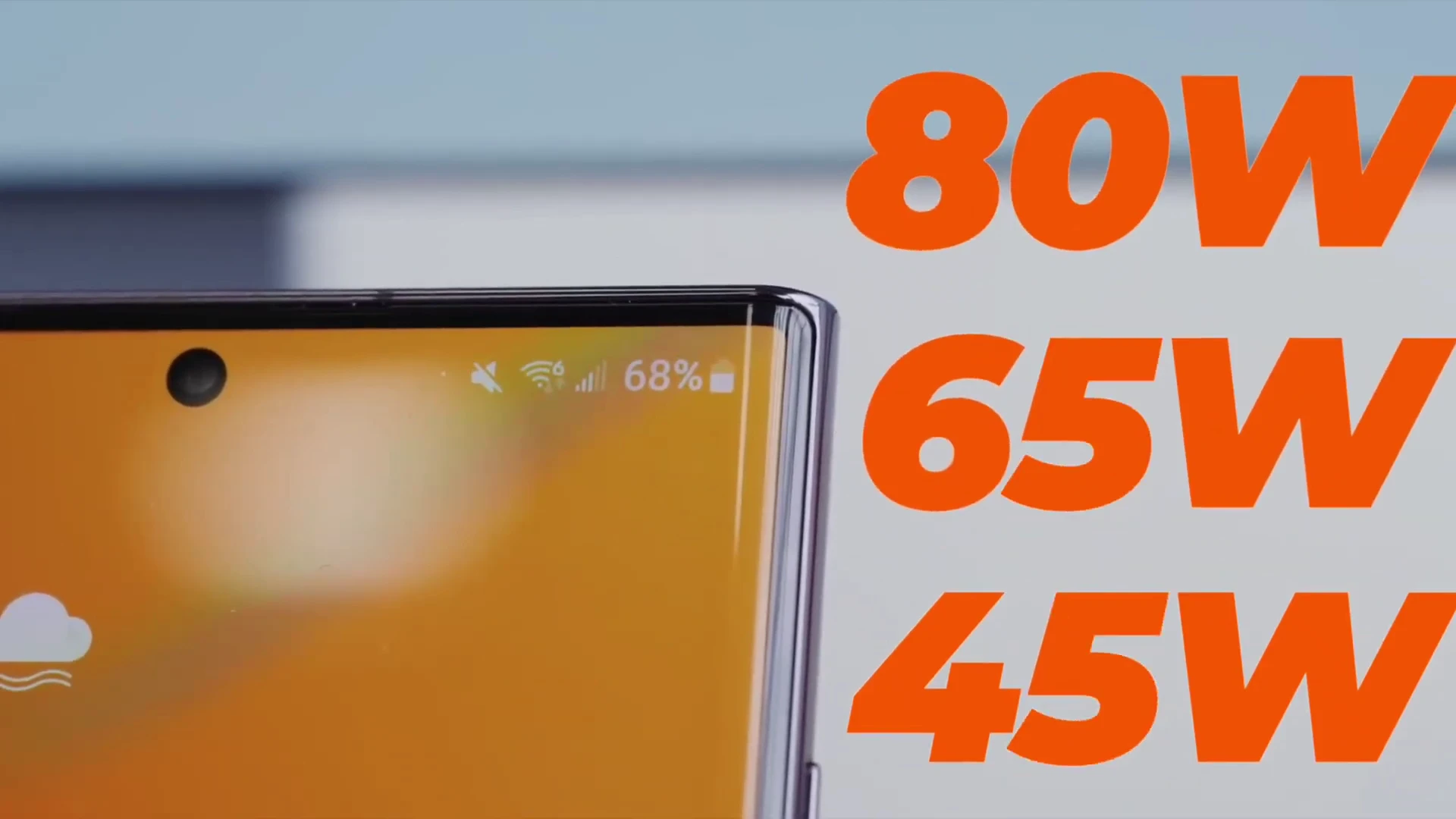
A lot of people still believe they should let their battery hit 0% before charging because older devices supposedly “needed calibration.” That advice mostly belongs in the past.
Modern lithium-ion batteries actually prefer smaller, more frequent charging sessions rather than complete drains. Constantly running your battery down until the phone shuts off places extra stress on the cells. Phones that regularly hit 0% tend to degrade faster than phones that are topped up casually throughout the day.
This is why quick top-ups are perfectly fine. Charging from 40% to 70% during the day is not harmful. In fact, it’s often healthier than forcing the battery through full discharge cycles constantly.
Is Wireless Charging Bad?
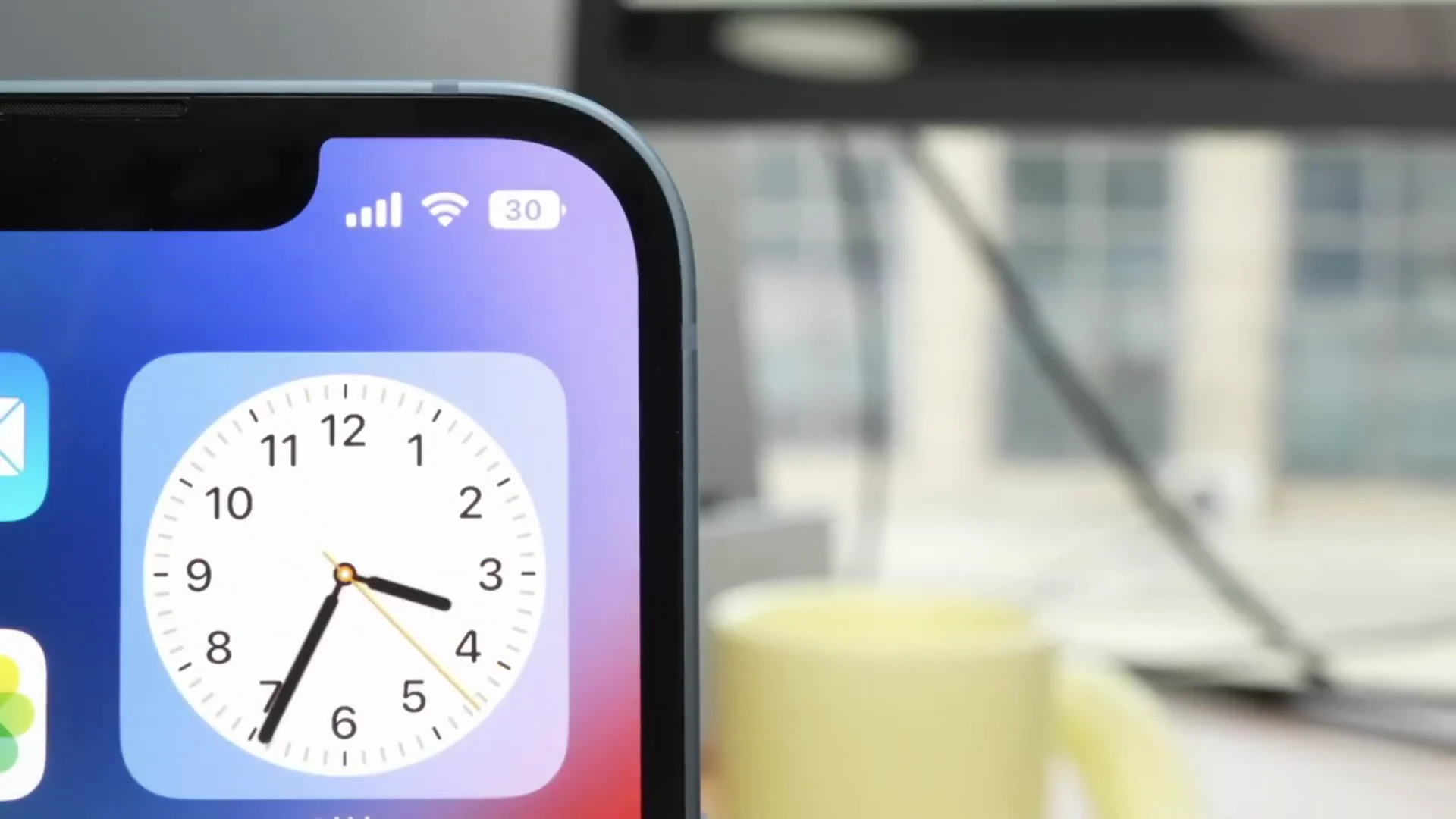
Wireless charging gets blamed a lot, mostly because it generates slightly more heat than wired charging. But again, the issue comes back to temperature — not the charging method itself.
As long as your wireless charger is properly aligned and the phone isn’t overheating, the long-term difference in battery wear is relatively small. Wireless charging is more about convenience than efficiency. It may generate a little extra warmth, but under normal conditions, it is safe for everyday use.
Cheap wireless chargers, however, are another story. Poorly made charging accessories often deliver unstable power, create unnecessary heat, and lack proper safety protections. That’s why quality chargers and cables matter far more than whether the charging is wired or wireless.
Overnight Charging Is Not “Overcharging”
This myth refuses to die. Modern smartphones do not continue force-feeding power into the battery after reaching 100%. Once full, charging stops. Your phone may occasionally top itself up slightly overnight, but it is not endlessly charging at maximum speed for eight straight hours.
The real issue with overnight charging is simply the battery sitting at 100% for extended periods. That’s why modern charging optimization systems now delay the final charging stage until closer to your wake-up time. So if your phone supports optimized charging features, turn them on. They exist specifically to reduce long-term stress during overnight charging.
Using Your Phone While Charging
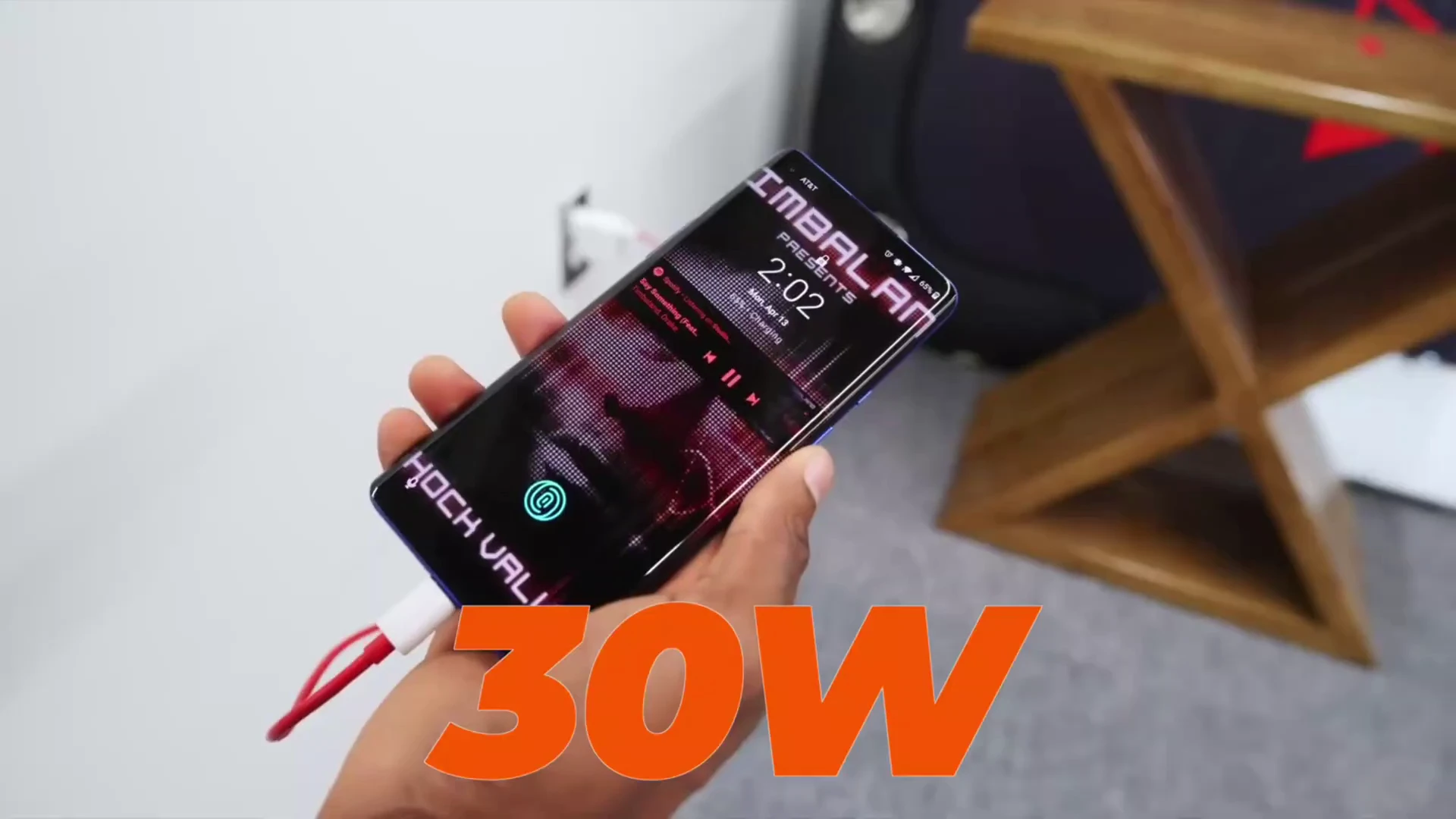
Another common fear is using the phone while charging. For normal tasks like messaging, browsing, watching videos, or scrolling social media, this is completely fine. Your phone is designed to handle power input and usage simultaneously.
The only time this becomes problematic is during extremely demanding tasks that generate excessive heat. Heavy gaming while fast charging, for example, can push temperatures much higher than normal. And again, heat is the real enemy here.
Interestingly, many modern gaming phones and premium devices now include bypass charging systems that power the phone directly without constantly charging the battery during gaming sessions. This helps reduce heat and battery stress during long gaming periods.
The Best Charging Habits in 2026
At this point, smartphone battery care is actually simpler than most people think. You do not need to babysit your battery all day. You do not need to panic every time the phone hits 100%. And you definitely do not need to avoid fast charging completely.
The habits that actually matter are:
- Avoid excessive heat
- Don’t constantly run the battery to 0%
- Use quality chargers and cables
- Enable battery optimization features
- Keep your phone cool during heavy tasks
- Don’t obsess over percentages unnecessarily
Batteries naturally degrade over time no matter what you do. That’s simply how lithium-ion technology works. But if you avoid extreme temperatures and unhealthy charging habits, your battery will usually age far better than most people expect.
And honestly, that’s the part many people forget. A smartphone battery is a consumable component. It is designed to wear gradually over years of use. The goal isn’t to keep battery health at 100% forever — that’s impossible. The goal is simply to slow unnecessary degradation while still enjoying your phone normally.
Because at the end of the day, your phone is meant to make life easier — not become another thing you constantly stress about.