iPhone Duo vs Galaxy Z Fold8: Which Foldable Should You Buy?
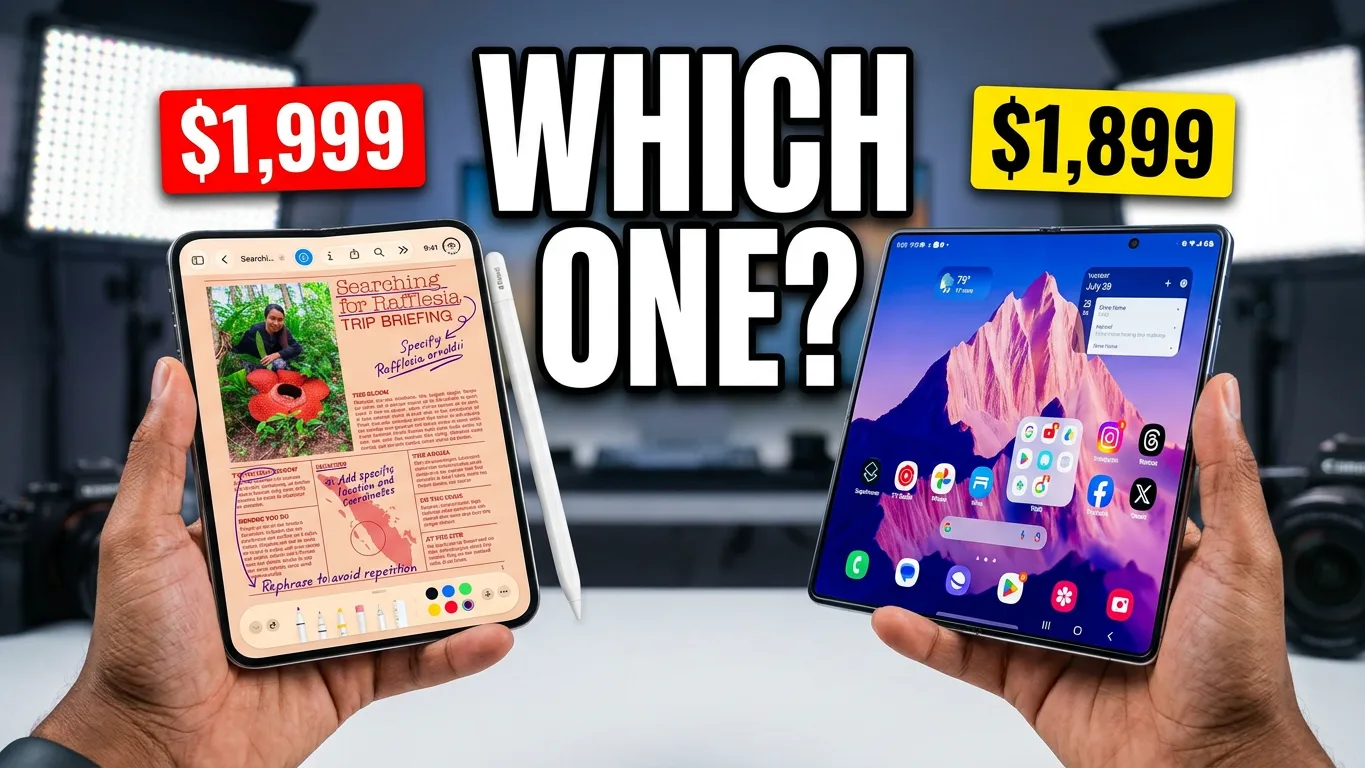
Apple has finally entered the foldable smartphone market with the iPhone Duo, putting it directly against established devices such as Samsung’s Galaxy Z Fold8.
Samsung has spent years refining its foldable design, while Apple is entering the category with a different approach focused on display continuity, hardware integration, Apple Pencil support and its wider ecosystem.
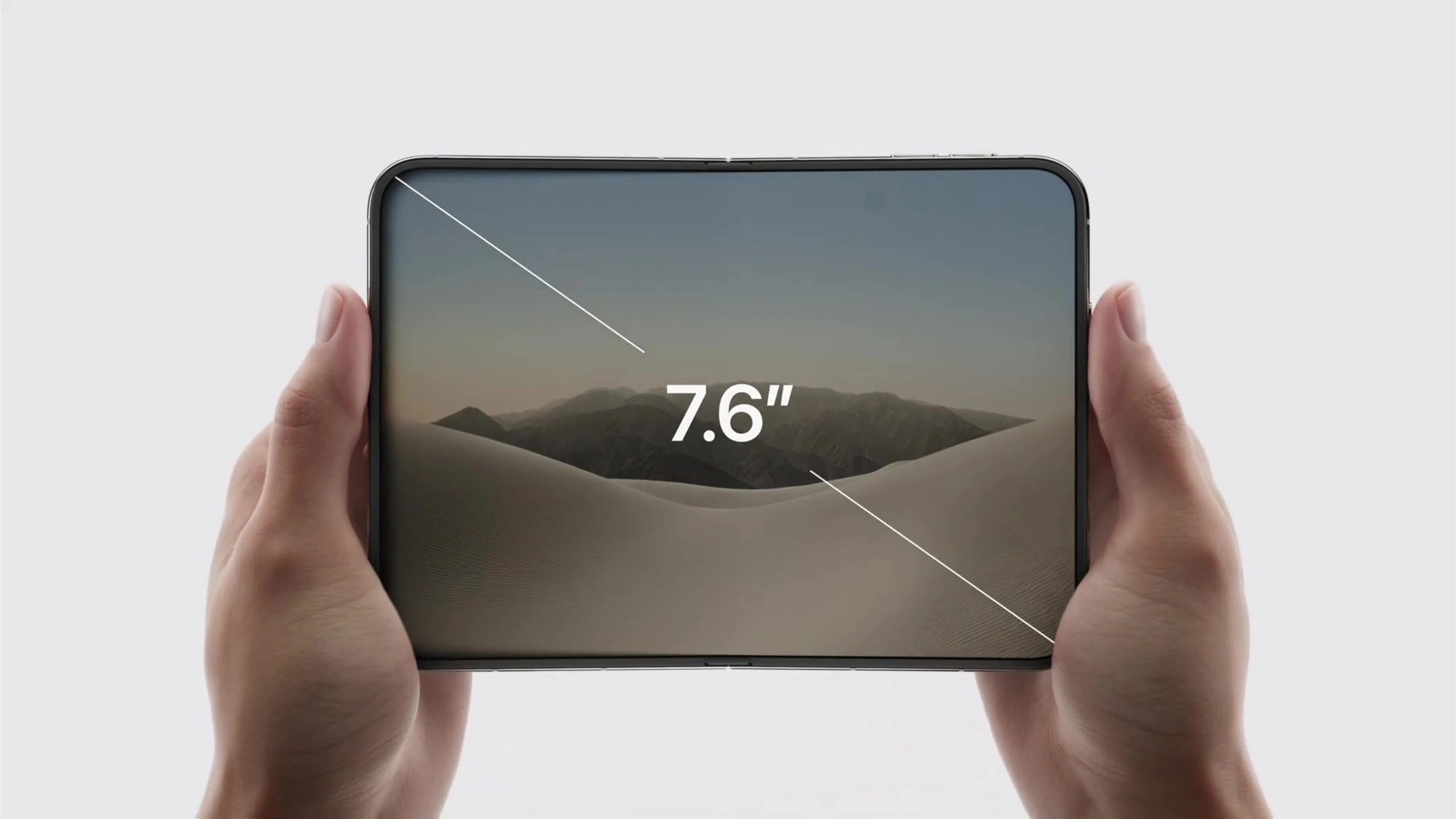
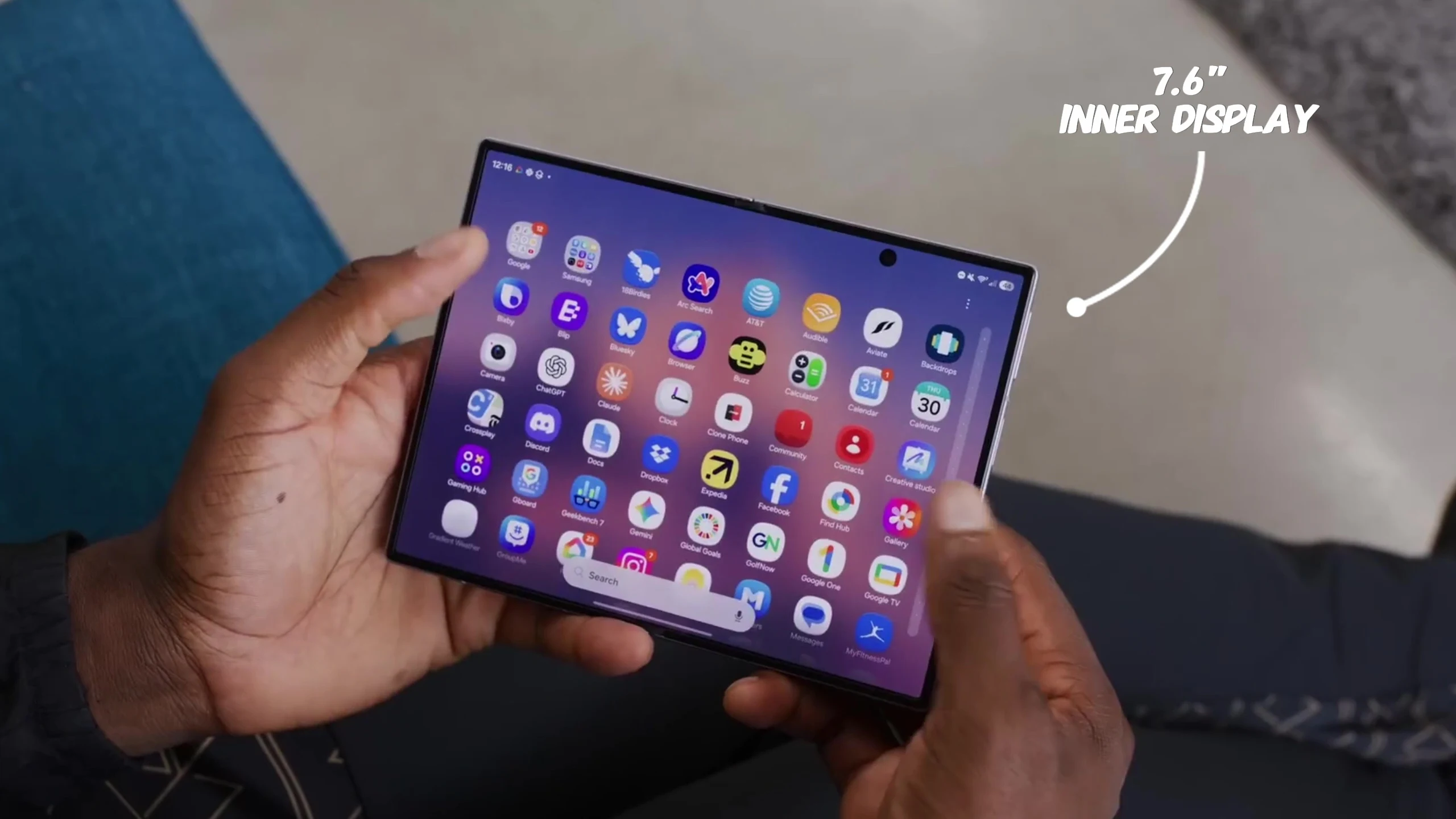
On paper, both phones offer a large 7.6-inch internal display, flagship-level performance and advanced camera systems. However, there are some important differences in design, software, productivity, cameras, battery life and durability.
Here is how the iPhone Duo compares with the Galaxy Z Fold8.
Design and Build Quality
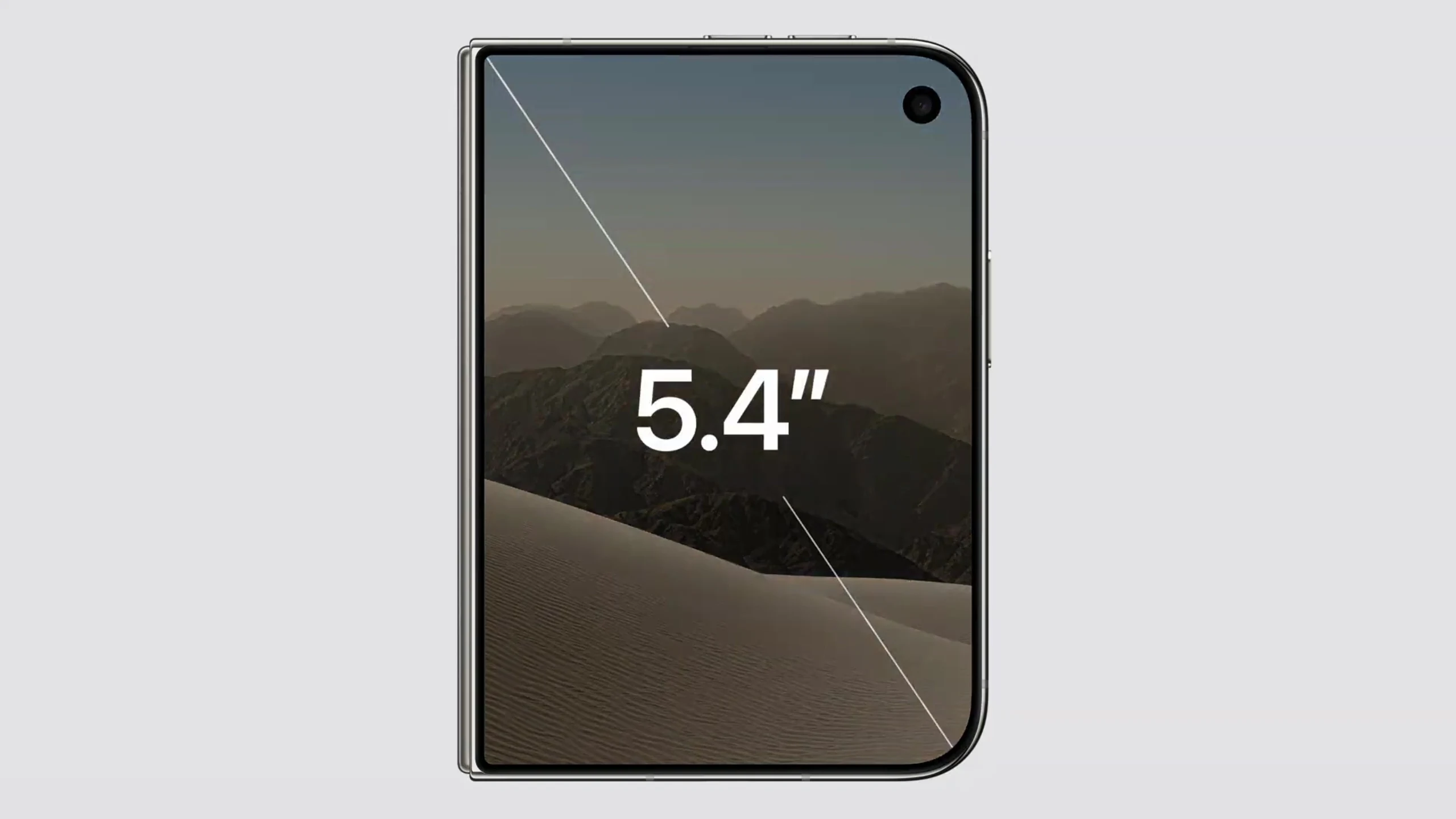
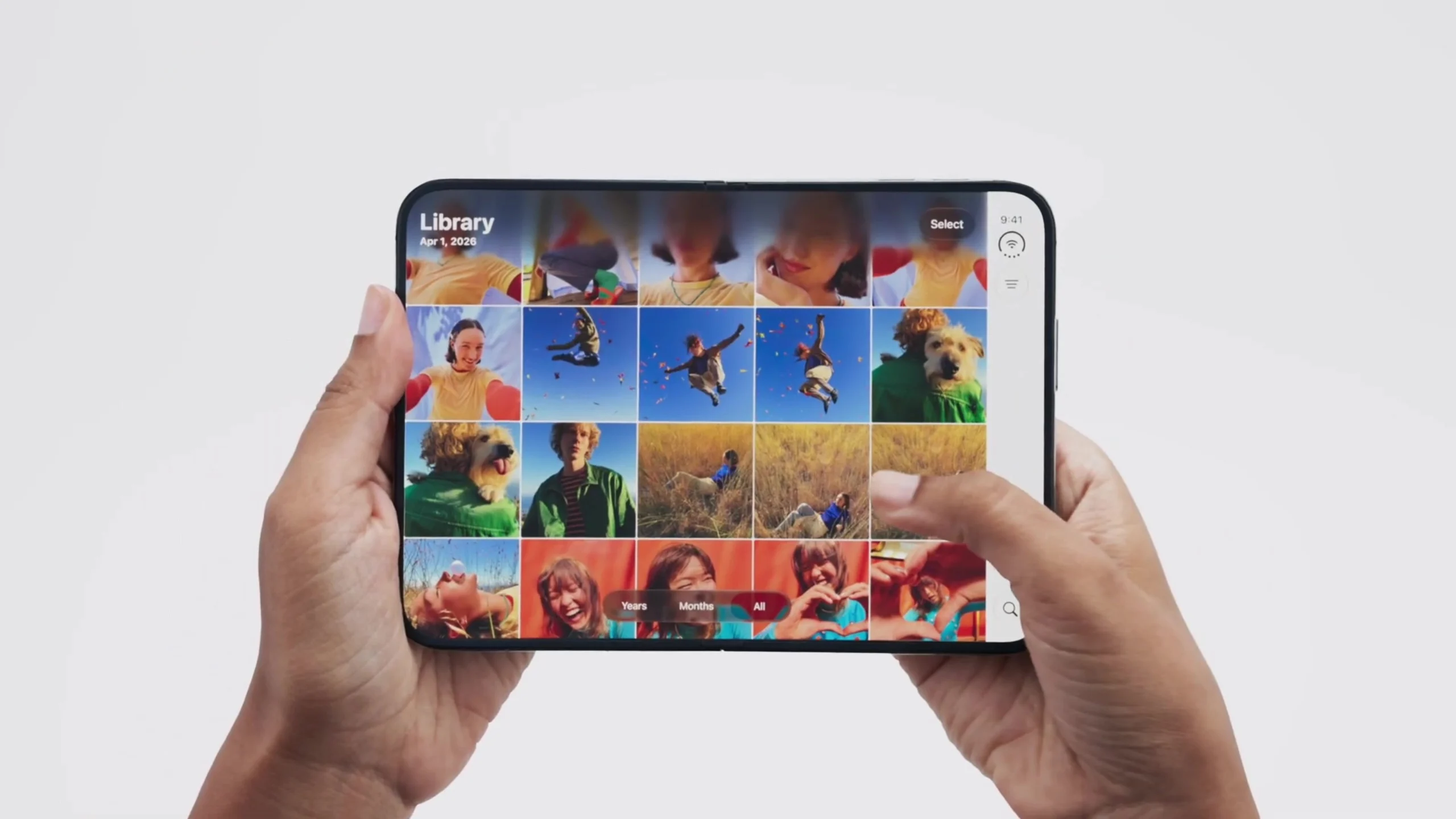
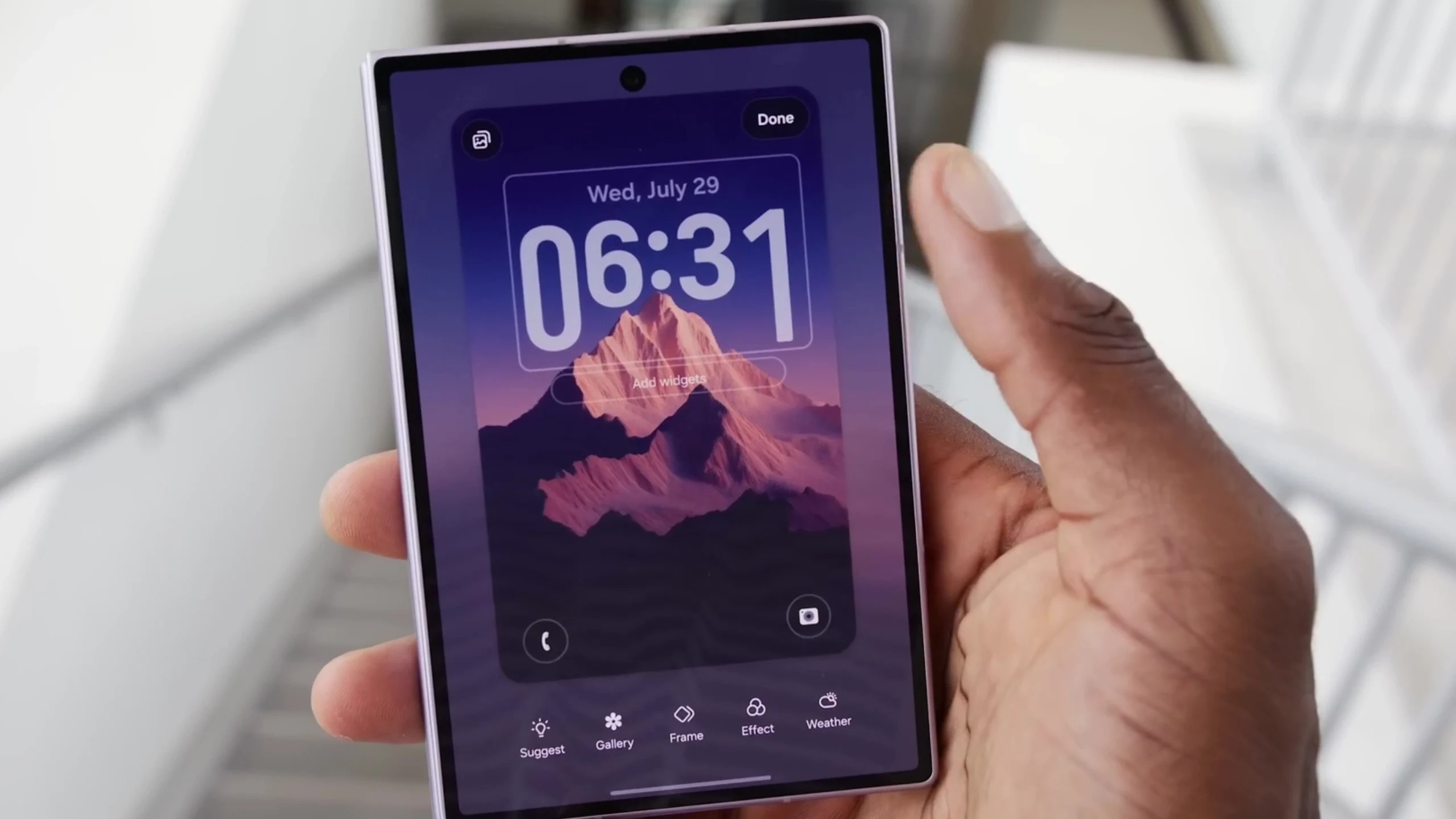
The iPhone Duo uses a book-style folding design. When opened, it provides a 7.6-inch internal display, while the external display measures 5.4 inches.
The Galaxy Z Fold8 follows a similar concept, with a 7.6-inch inner display and a slightly larger 5.5-inch cover screen.
Samsung's experience in the foldable market is particularly noticeable in the physical design. The Galaxy Z Fold8 weighs just 201 grams, which is impressive considering that it is essentially a smartphone and small tablet combined into one device.
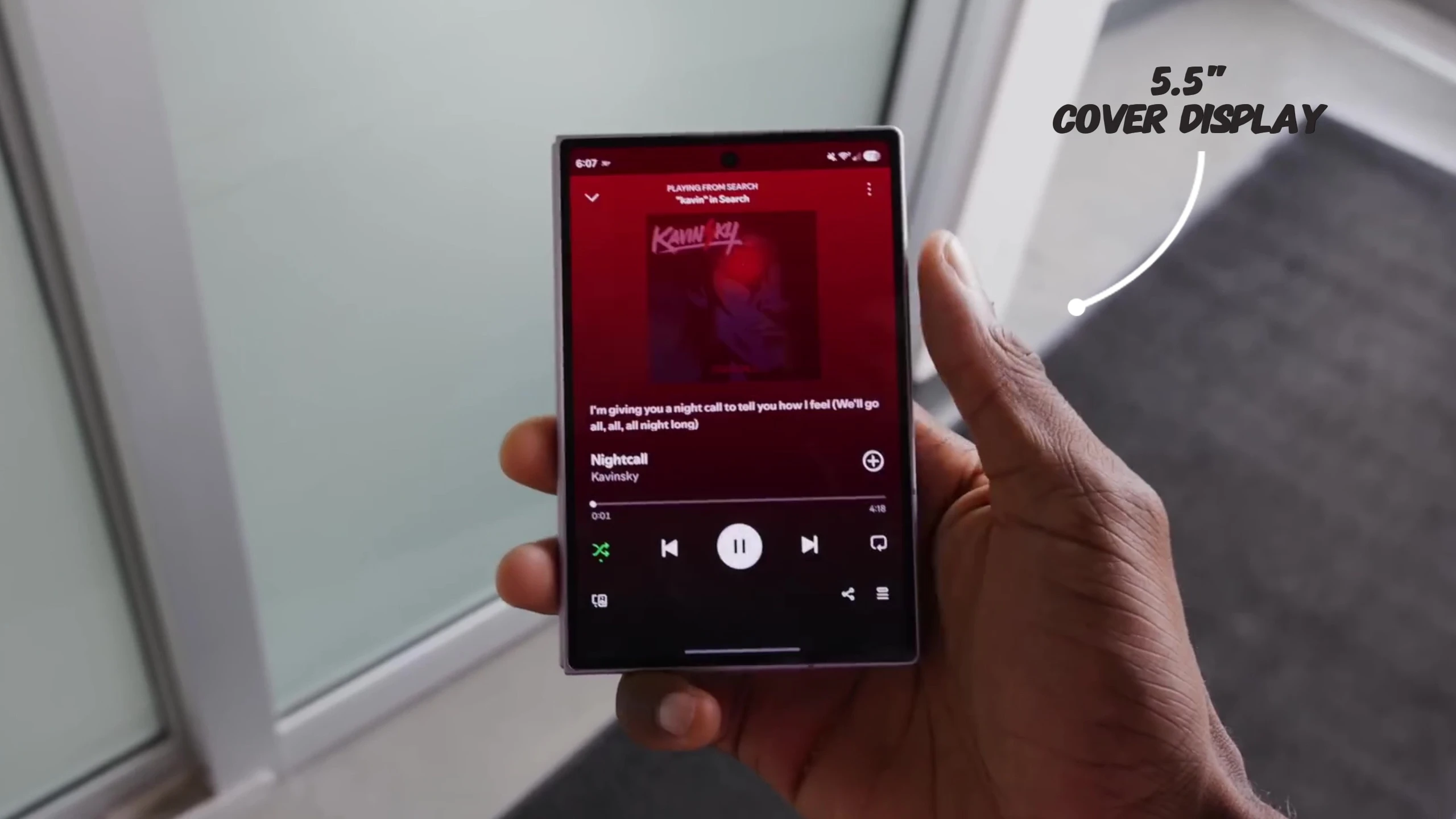
Samsung has also made the cover display wider, making typing and everyday tasks more comfortable without having to unfold the phone.
This is an important part of the foldable experience. A good foldable should still be comfortable to use when closed instead of constantly encouraging you to open it just to perform basic tasks.
Apple takes a slightly different approach with the Duo.
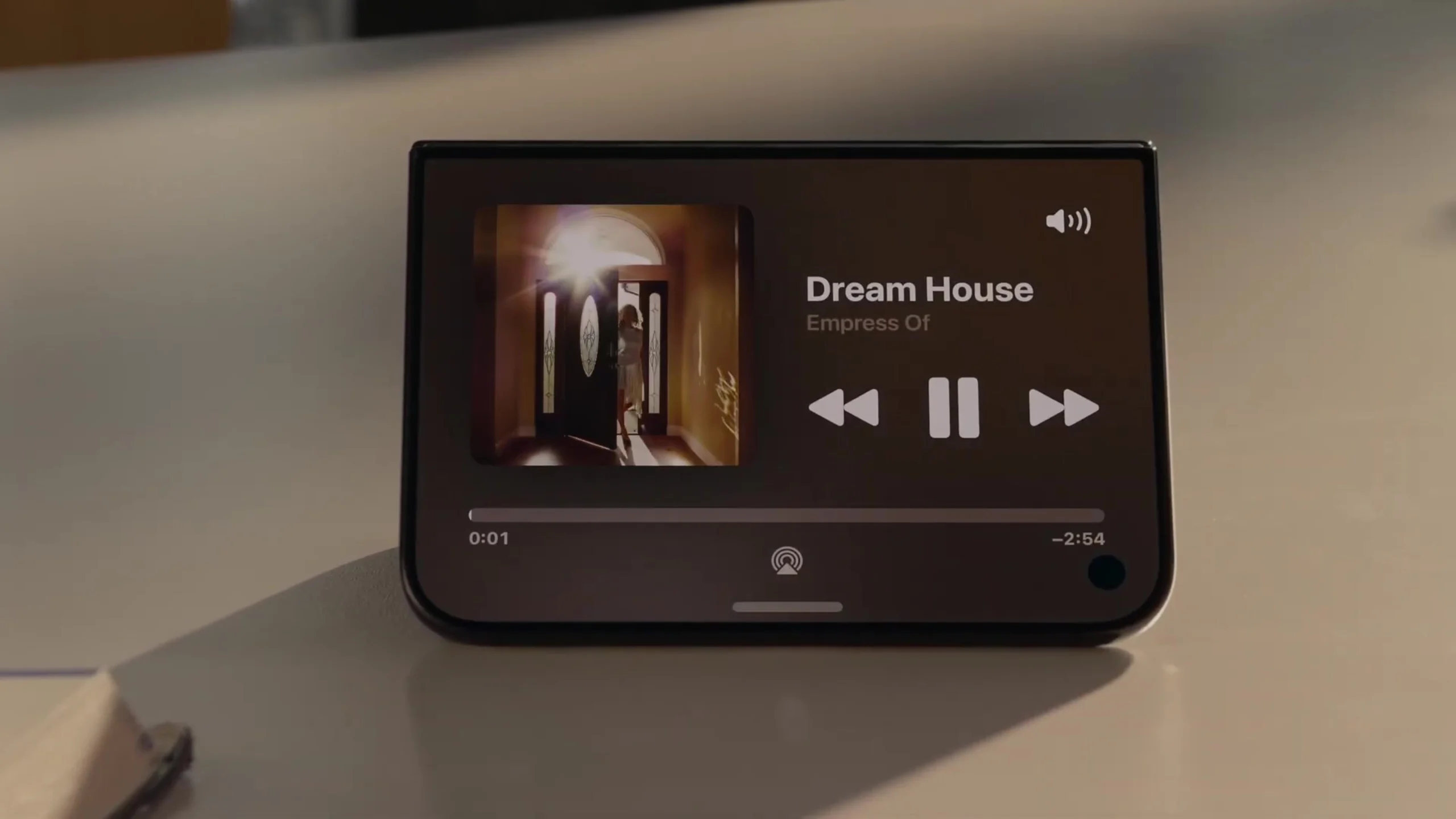
Both displays use the same aspect ratio, allowing content to transition more consistently between the outer and inner screens. This could help reduce the awkward interface changes that sometimes happen when moving an app from a cover display to a larger internal screen.
Display
Both phones feature a large 7.6-inch internal display, but Apple has introduced some interesting technology with the iPhone Duo.
The internal display features a nano-texture, anti-reflective finish designed to reduce glare and reflections.
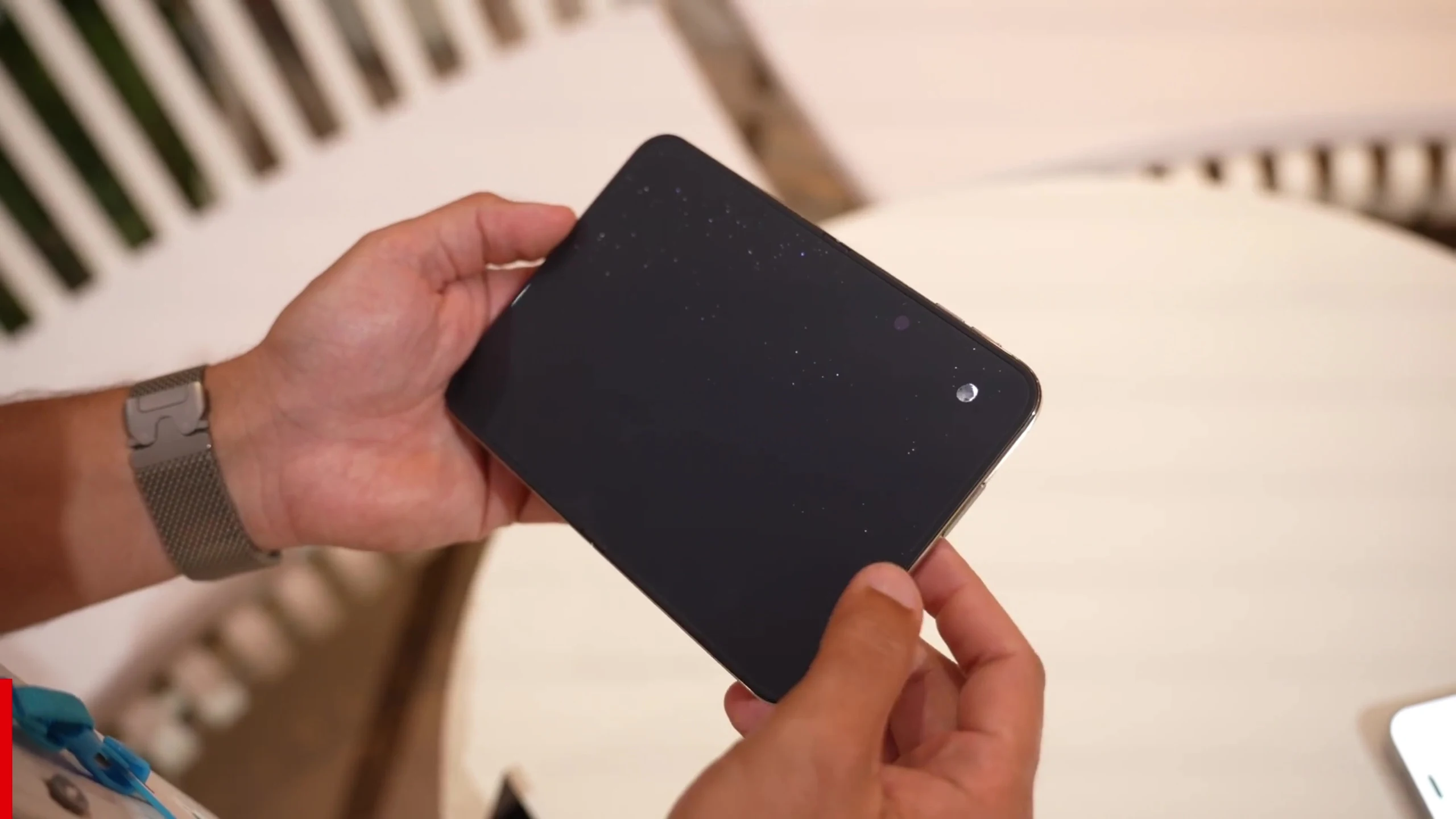
This could be particularly useful when using the phone outdoors, in bright offices or under strong overhead lighting. Large foldable displays can be especially vulnerable to reflections because of their size, so reducing glare can make a noticeable difference in everyday use.
Apple is also claiming that the nano-texture treatment makes the foldable crease less noticeable.
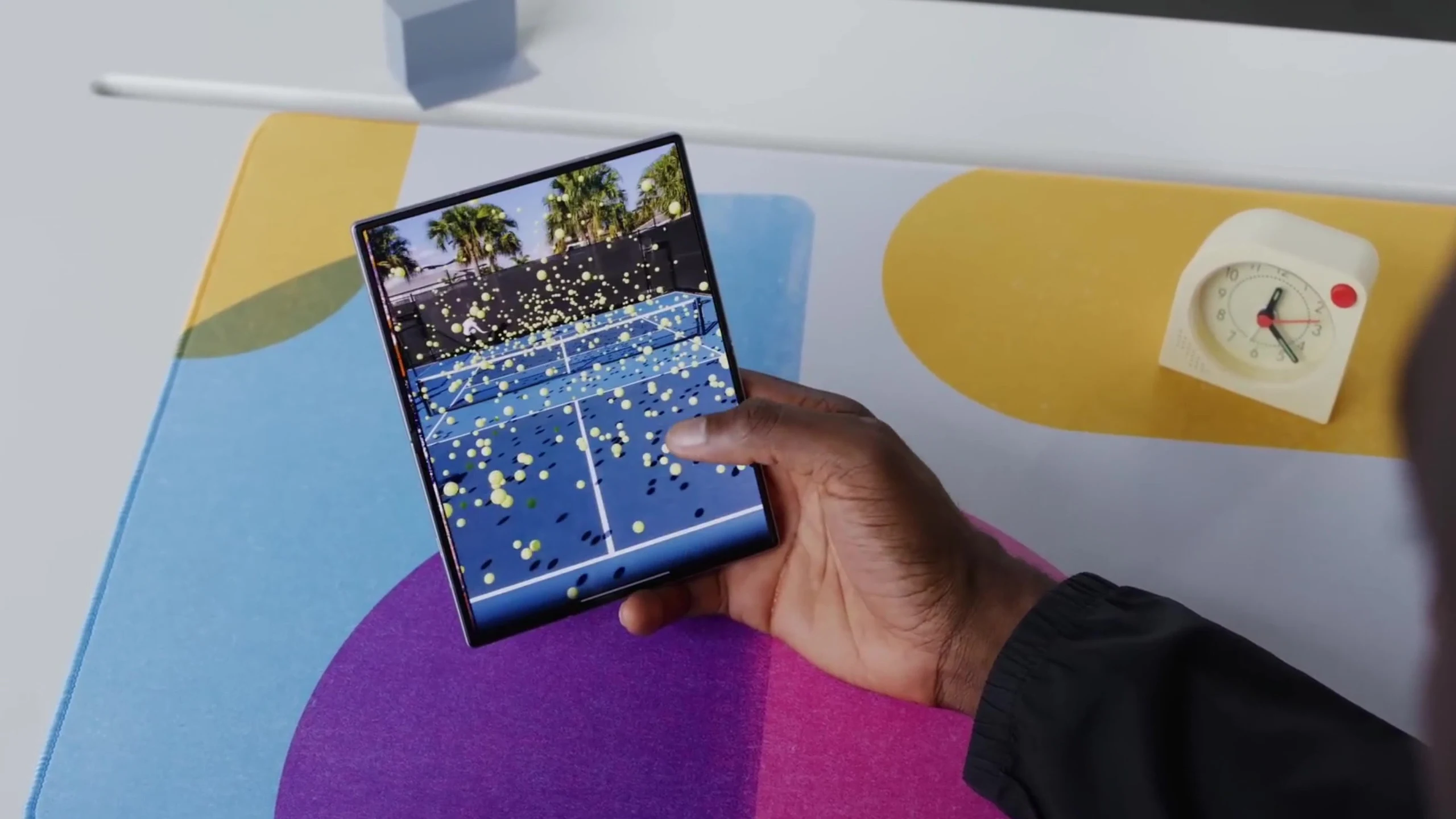
The Galaxy Z Fold8 continues Samsung's established foldable display technology, but Apple's approach could give the Duo an advantage for users who frequently use their phone in bright environments.
Under-Display Camera

The iPhone Duo also places its inner FaceTime camera underneath the display.
That means the large 7.6-inch internal screen does not have a traditional camera cutout interrupting the viewing area.
Samsung has previously experimented with under-display cameras on its Fold devices, so the concept itself isn't new to the company. However, bringing it to Apple's first foldable makes the Duo's large internal display particularly clean.
The important question will be image quality.
Under-display cameras have historically had to make compromises because the camera sits behind the display. Real-world testing will determine whether Apple's implementation can deliver the camera quality expected from an iPhone.
Apple Pencil Support
One of the more interesting features of the iPhone Duo is support for the Apple Pencil USB-C.
The stylus can be used across both displays for taking notes, drawing and marking up documents.
This gives the large internal display a more practical purpose beyond simply providing a bigger screen.
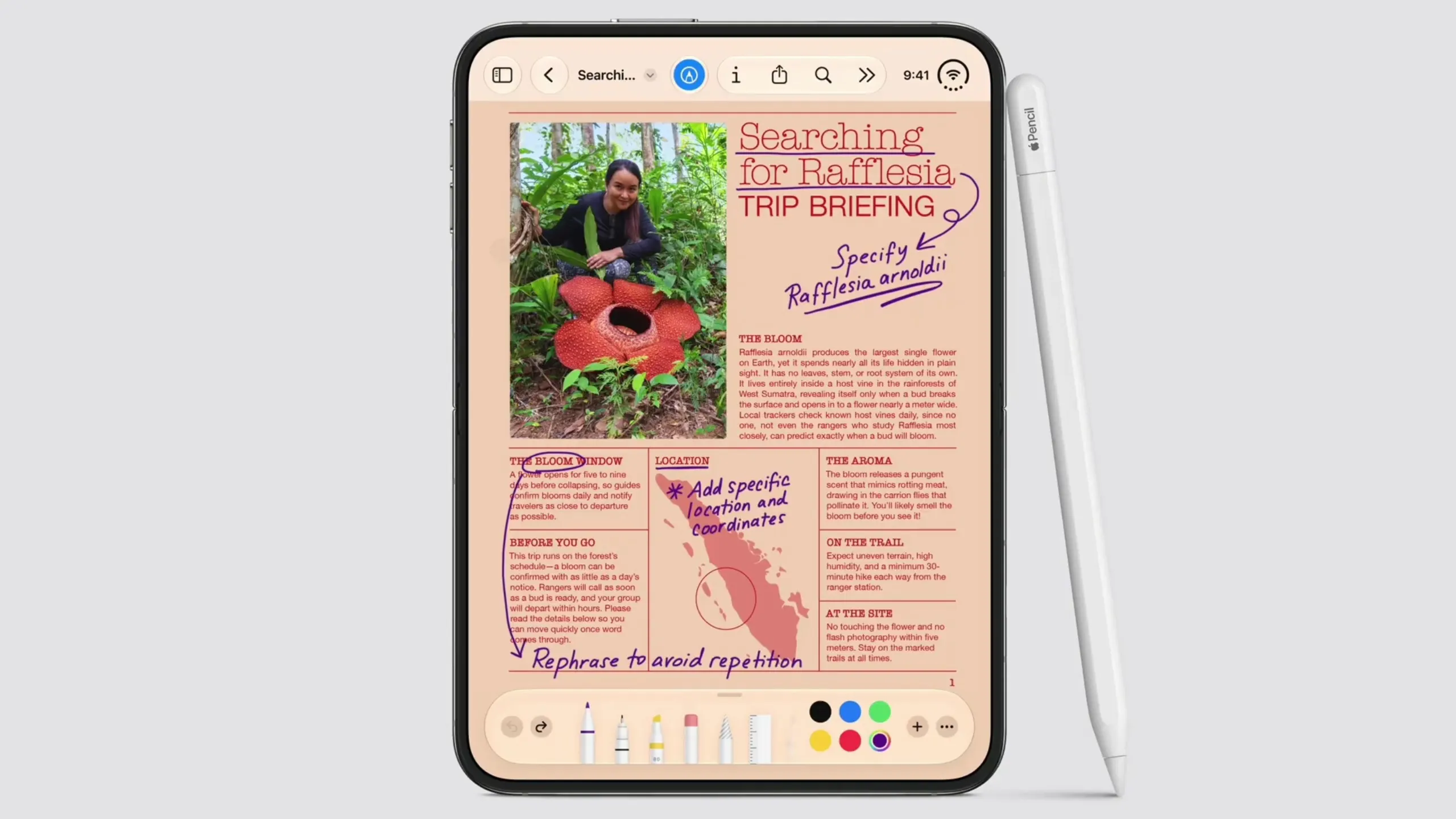
Interestingly, the Galaxy Z Fold8 does not support the S Pen.
That is a notable change considering Samsung has traditionally been closely associated with stylus support on its larger Galaxy devices.
For users who specifically want a foldable for handwriting, drawing or document work, Apple Pencil support makes the Duo an interesting option.
Multitasking and Software
Software could be one of the biggest differences between these two phones.
Samsung has been developing its foldable software experience for years. The Galaxy Z Fold8 supports features such as Multi Window, drag-and-drop functionality, Galaxy AI and Samsung DeX.
DeX is particularly useful for users who want a desktop-style productivity experience from their smartphone.
Apple is approaching multitasking differently.
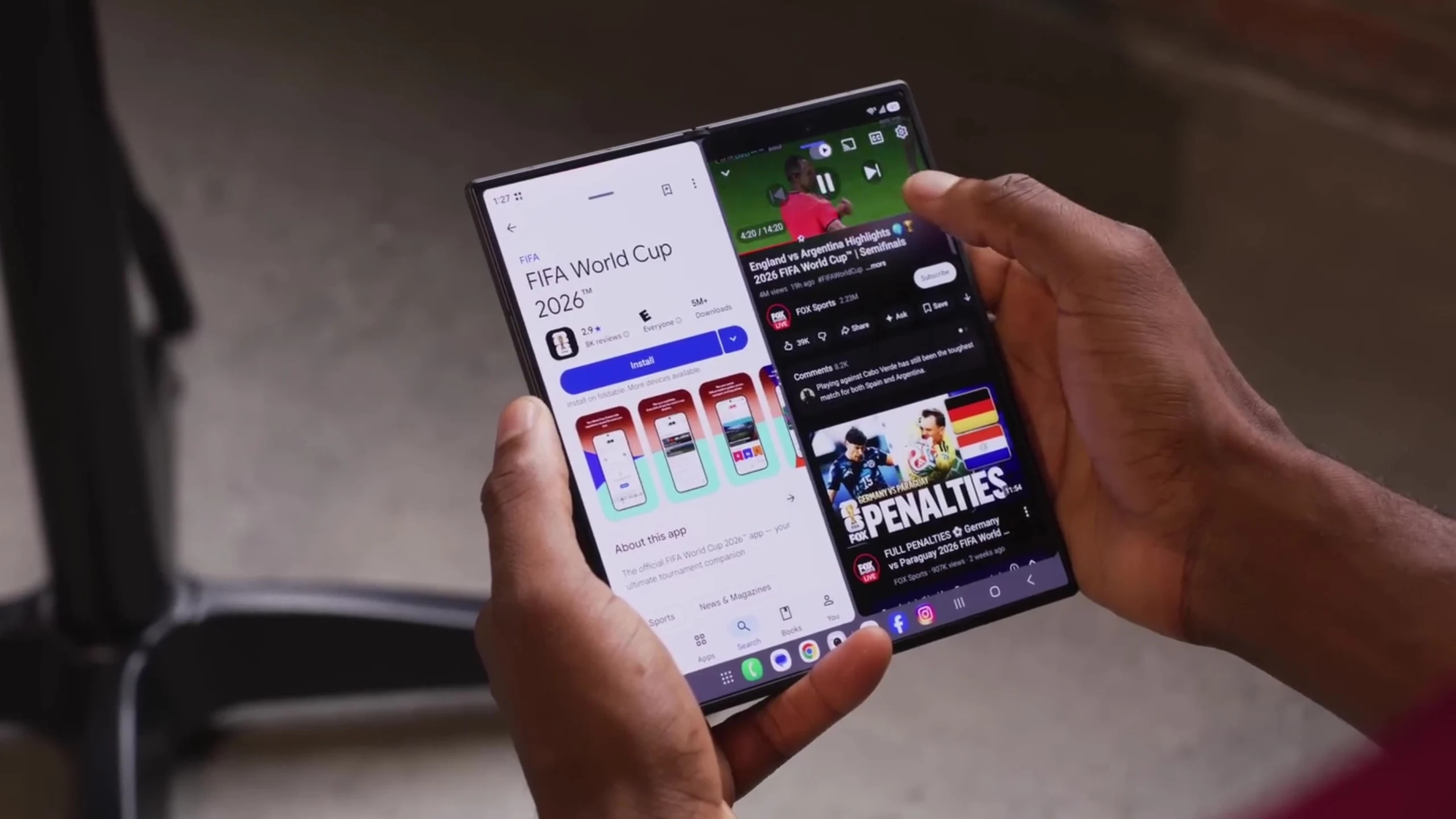
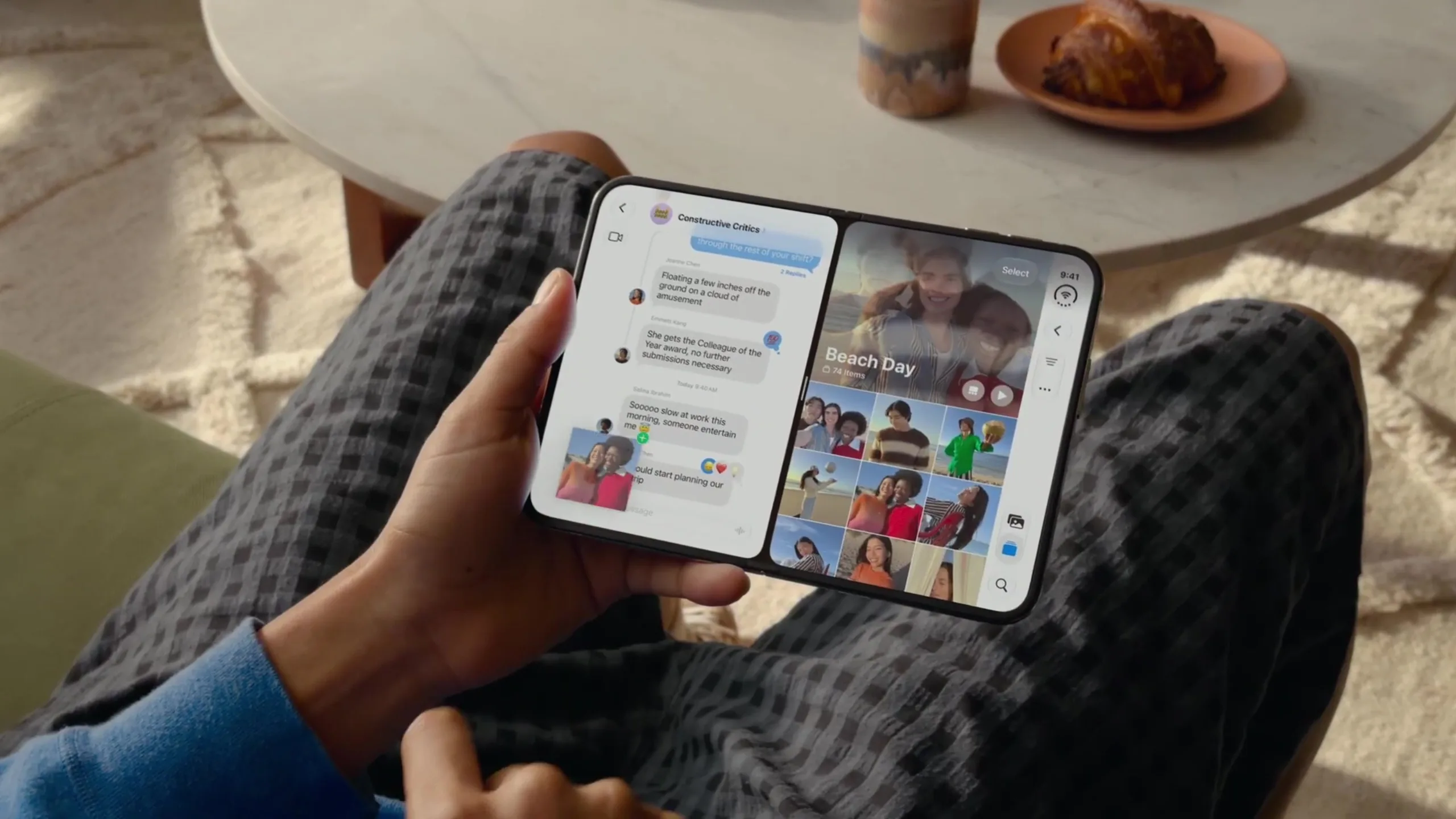
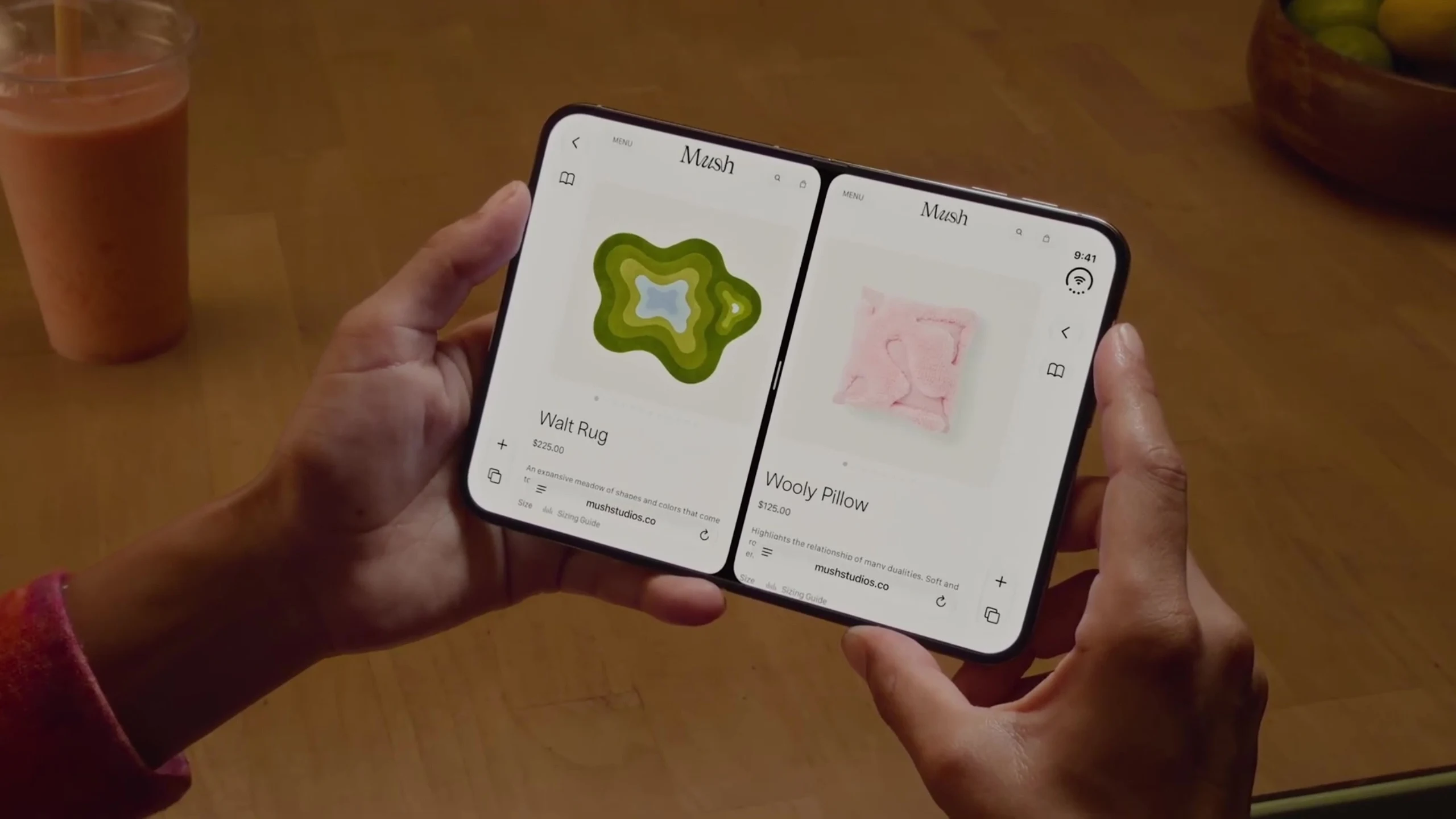
The iPhone Duo includes iOS features designed around the larger internal display, including side-by-side apps, resizing and better use of the additional screen space.
Apple also has an important advantage here: it controls the hardware, operating system and ecosystem.
If developers properly optimise their applications for the Duo's folding design, Apple could potentially deliver a very polished experience between the outer and inner screens.
However, Samsung's years of experience with Android foldables give the Fold8 a significant software foundation.
Performance
The iPhone Duo is powered by Apple's A20 Pro chip, while the Galaxy Z Fold8 uses the Snapdragon 8 Elite Gen 5 for Galaxy.
Both processors are designed for flagship smartphones and should provide more than enough performance for demanding applications, gaming and multitasking.
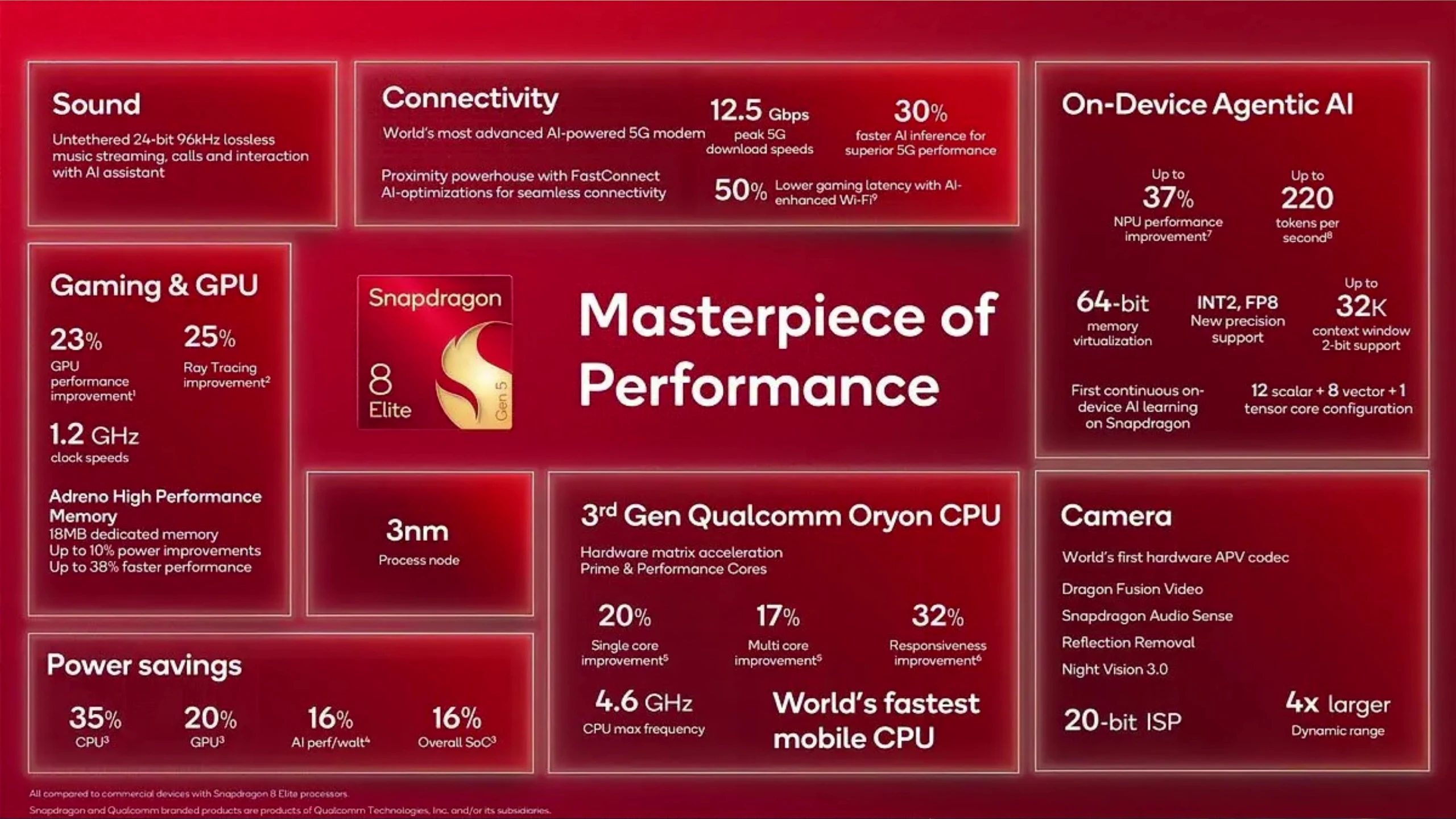
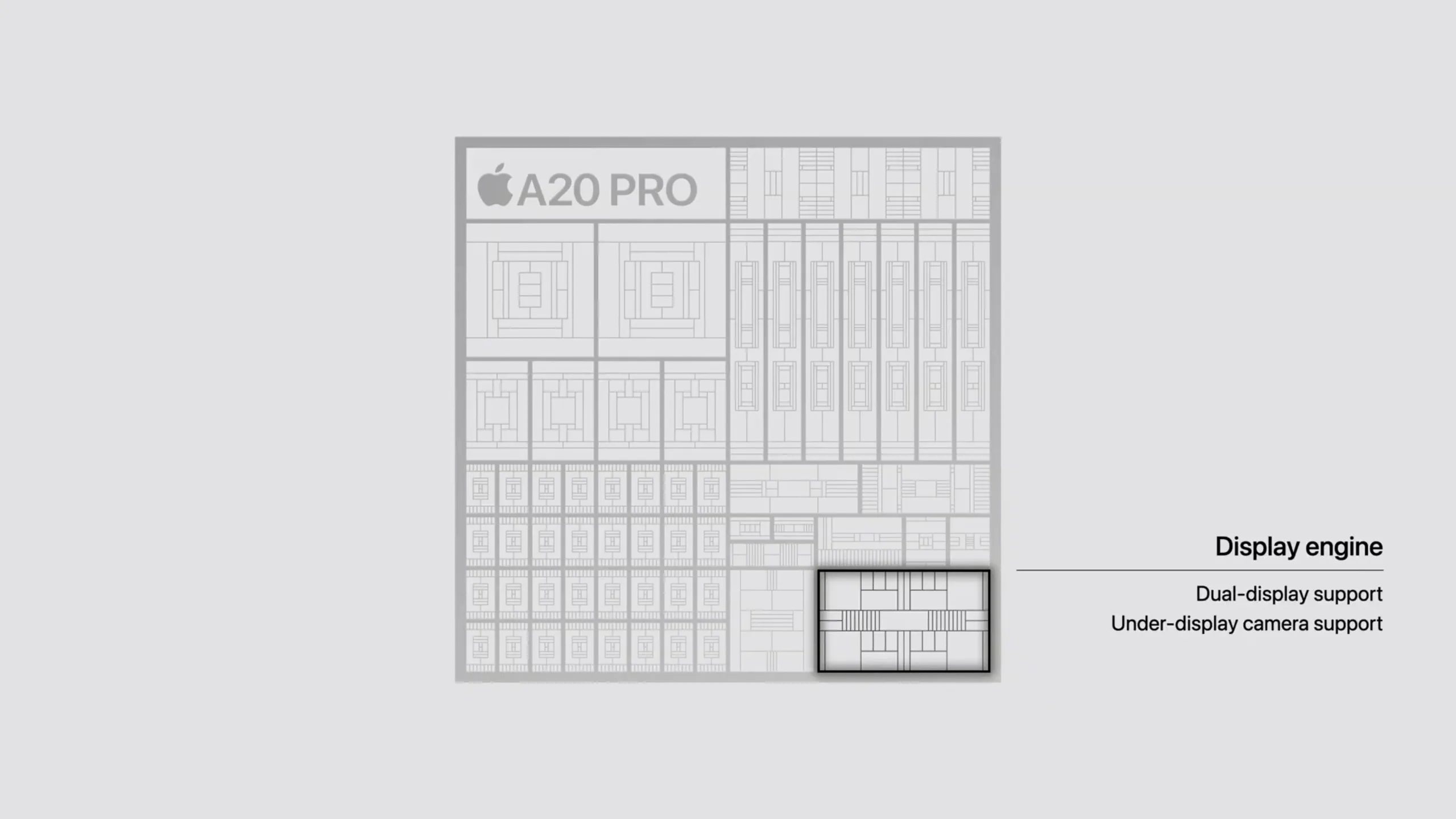
Raw benchmark performance is unlikely to be the only thing that separates these phones in everyday use.
The more noticeable difference will probably come from the operating systems and how each company has adapted its software to take advantage of the foldable form factor.
Apple's tight hardware-software integration could benefit the Duo, while Samsung's extensive multitasking features provide a strong productivity-focused experience on the Fold8.
Camera
The camera systems also take different approaches.
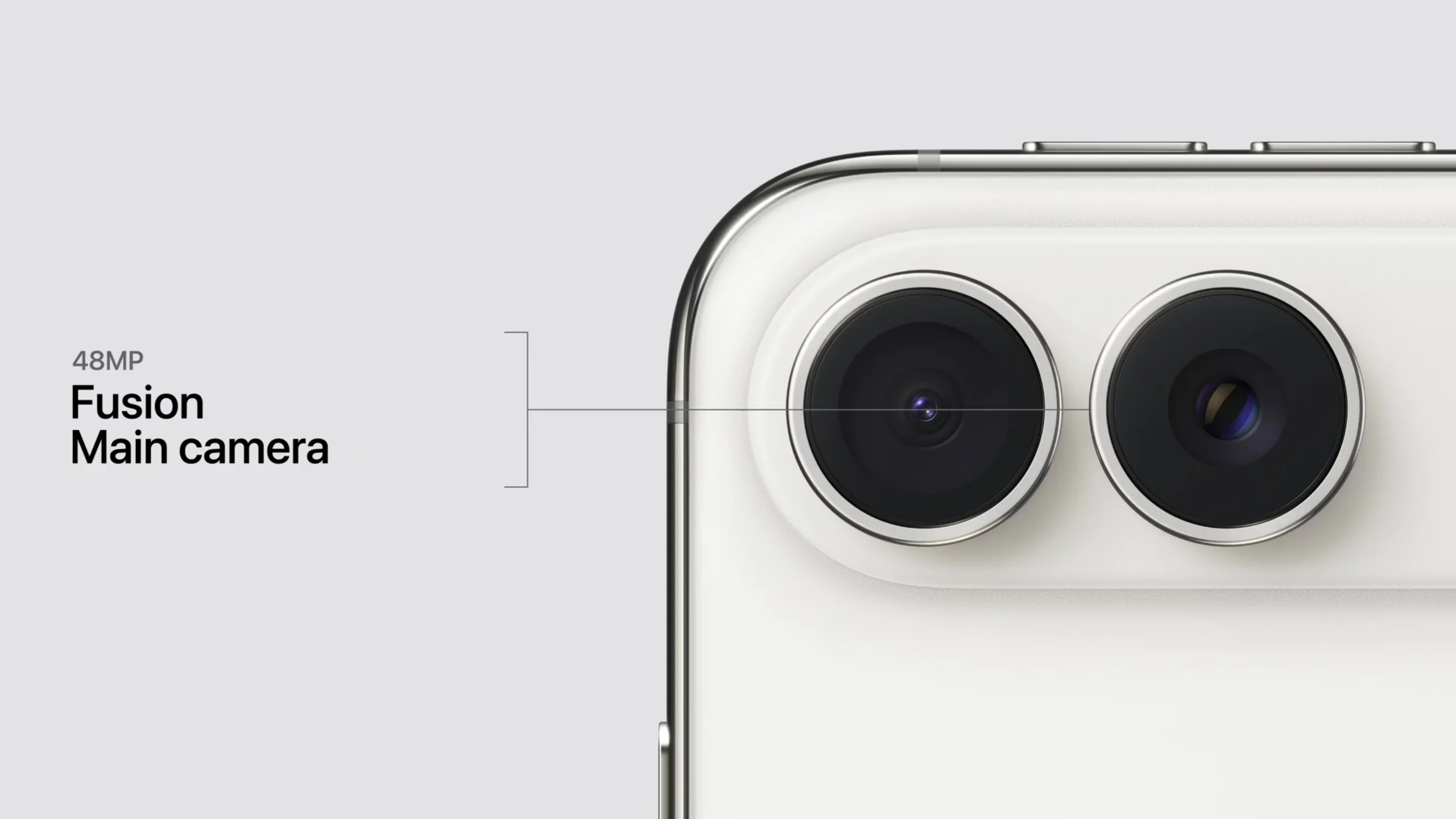
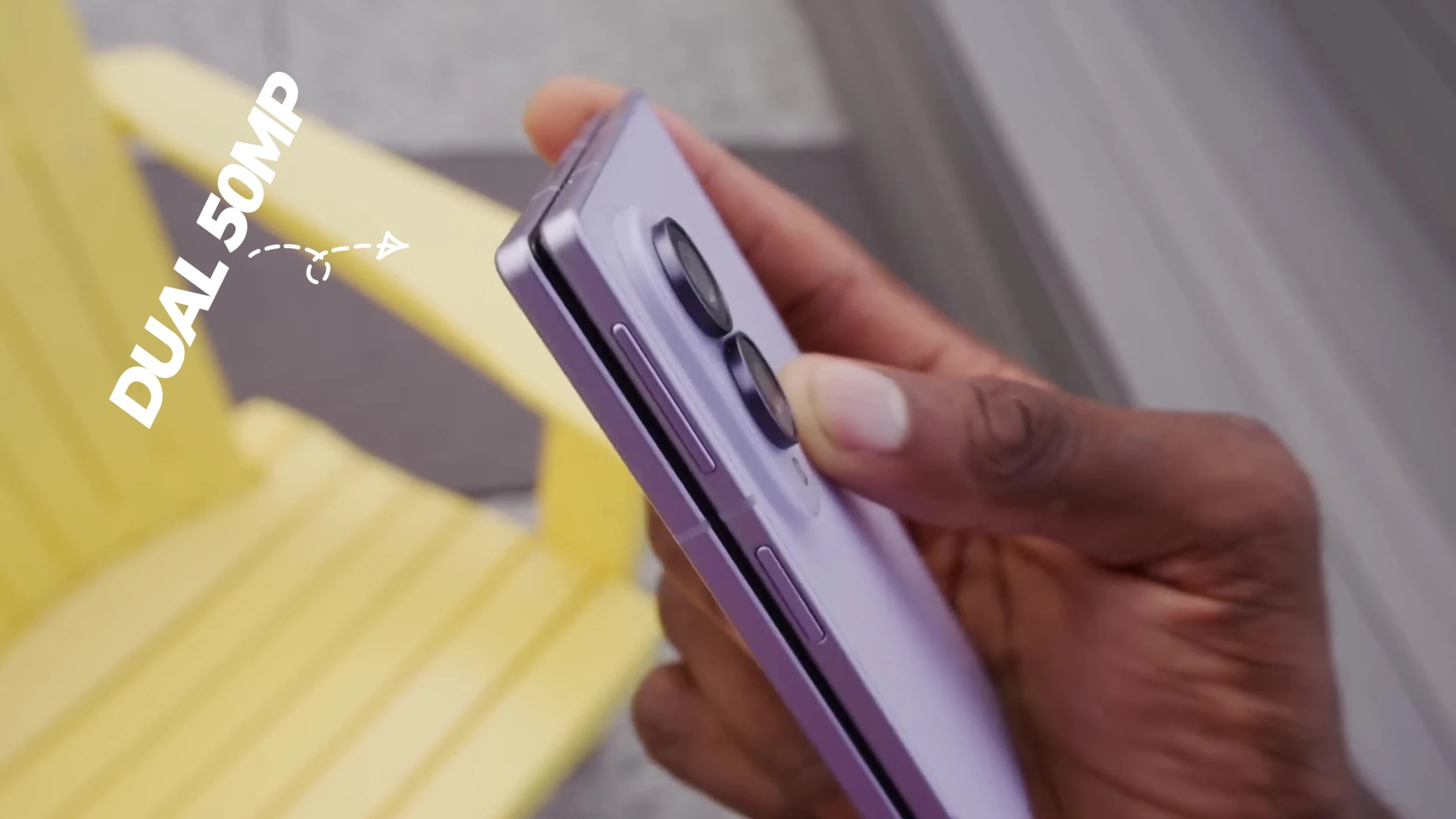
The Galaxy Z Fold8 features a dual 50MP rear camera setup, while the iPhone Duo uses two 48MP cameras.
However, megapixel counts don't tell the entire story.
Apple is placing significant emphasis on computational photography and video recording. The Duo can record 4K video at up to 120fps with Dolby Vision.
The foldable design also enables some interesting shooting options.
For example, the external display can be used as a preview while taking photos, and the phone can be positioned in a partially folded state for hands-free photography or video recording.
These are the kinds of features that make the foldable design more useful rather than simply making the phone's screen larger.
Samsung, however, has a more mature foldable camera system, so real-world photography and video comparisons will be necessary before determining which phone produces better results.
Battery Life and Charging
Samsung equips the Galaxy Z Fold8 with a 4,800mAh battery and claims more than 26 hours of video playback.
Apple does not typically advertise battery capacity in the same way Android manufacturers do. Instead, Apple claims up to 31 hours of video playback on the iPhone Duo's internal display.
If Apple's real-world battery life comes close to that figure, the Duo could offer impressive endurance for a foldable device.
However, battery capacity and advertised playback figures don't tell the entire story. Actual battery life will depend on factors such as display brightness, network connectivity, applications and how heavily the internal screen is used.
Durability and Water Resistance
Durability is another area where the two companies have taken different approaches.
The iPhone Duo uses a titanium construction, a custom hinge and an IP68 protection rating.
The Galaxy Z Fold8 uses Samsung's FlexHinge design, titanium reinforcement and an IP48 rating.
On paper, the iPhone Duo has the higher IP rating.
However, durability is difficult to judge purely from specifications. Foldables contain moving parts and flexible displays, so long-term reliability is particularly important.
Samsung has been producing foldable smartphones for several generations, giving it considerably more experience with the long-term development of this form factor.
The Duo will need to prove how its hinge and flexible display hold up after months and years of regular use.
Price
Price is another major difference.
The iPhone Duo starts at $1,999, while the Galaxy Z Fold8 starts at $1,899.99.
That puts Apple's first foldable approximately $100 above Samsung's starting price.
The price difference is relatively small at this level, but it is still worth considering because both devices already sit firmly in the premium smartphone category.
iPhone Duo vs Galaxy Z Fold8: Key Differences
| Feature | iPhone Duo | Galaxy Z Fold8 |
|---|---|---|
| Feature Inner display | iPhone Duo 7.6-inch | Galaxy Z Fold8 7.6-inch |
| Feature Cover display | iPhone Duo 5.4-inch | Galaxy Z Fold8 5.5-inch |
| Feature Processor | iPhone Duo A20 Pro | Galaxy Z Fold8 Snapdragon 8 Elite Gen 5 for Galaxy |
| Feature Rear cameras | iPhone Duo Dual 48MP | Galaxy Z Fold8 Dual 50MP |
| Feature Battery | iPhone Duo Not officially stated | Galaxy Z Fold8 4,800mAh |
| Feature Claimed video playback | iPhone Duo Up to 31 hours | Galaxy Z Fold8 More than 26 hours |
| Feature Stylus | iPhone Duo Apple Pencil USB-C | Galaxy Z Fold8 No S Pen support |
| Feature Inner camera | iPhone Duo Under-display | Galaxy Z Fold8 Under-display |
| Feature Water resistance | iPhone Duo IP68 | Galaxy Z Fold8 IP48 |
| Feature Starting price | iPhone Duo $1,999 | Galaxy Z Fold8 $1,899.99 |
Which Foldable Has the Better Approach?
The iPhone Duo and Galaxy Z Fold8 are approaching the foldable market from different directions.
Samsung's strengths are its years of experience, mature multitasking features, wider cover display, Galaxy AI and DeX.
Apple is introducing several features that could make its first foldable particularly interesting, including the nano-texture anti-reflective display, Apple Pencil support, under-display FaceTime camera and deeper integration with the Apple ecosystem.
The Duo is also more expensive at launch, which makes Apple's execution particularly important.
The real test will come when both phones are used side by side for everyday tasks. Battery life, camera quality, multitasking, app optimisation, typing, the crease and long-term durability are difficult to judge completely from specifications and launch presentations alone.
Final Thoughts
Apple doesn't necessarily need to reinvent the foldable smartphone to make the iPhone Duo successful.
What matters is whether Apple can take the ideas that already exist in foldables and make them feel more seamless and natural.
Samsung has had years to refine the Galaxy Z Fold line, and that experience shows in areas such as multitasking, productivity and the overall foldable software ecosystem.
Apple's first attempt brings a different set of priorities, particularly the display treatment, Apple Pencil support, camera integration and the connection between the iPhone, iPad and wider Apple ecosystem.
For anyone considering either phone, the choice will ultimately come down to how they plan to use the foldable.
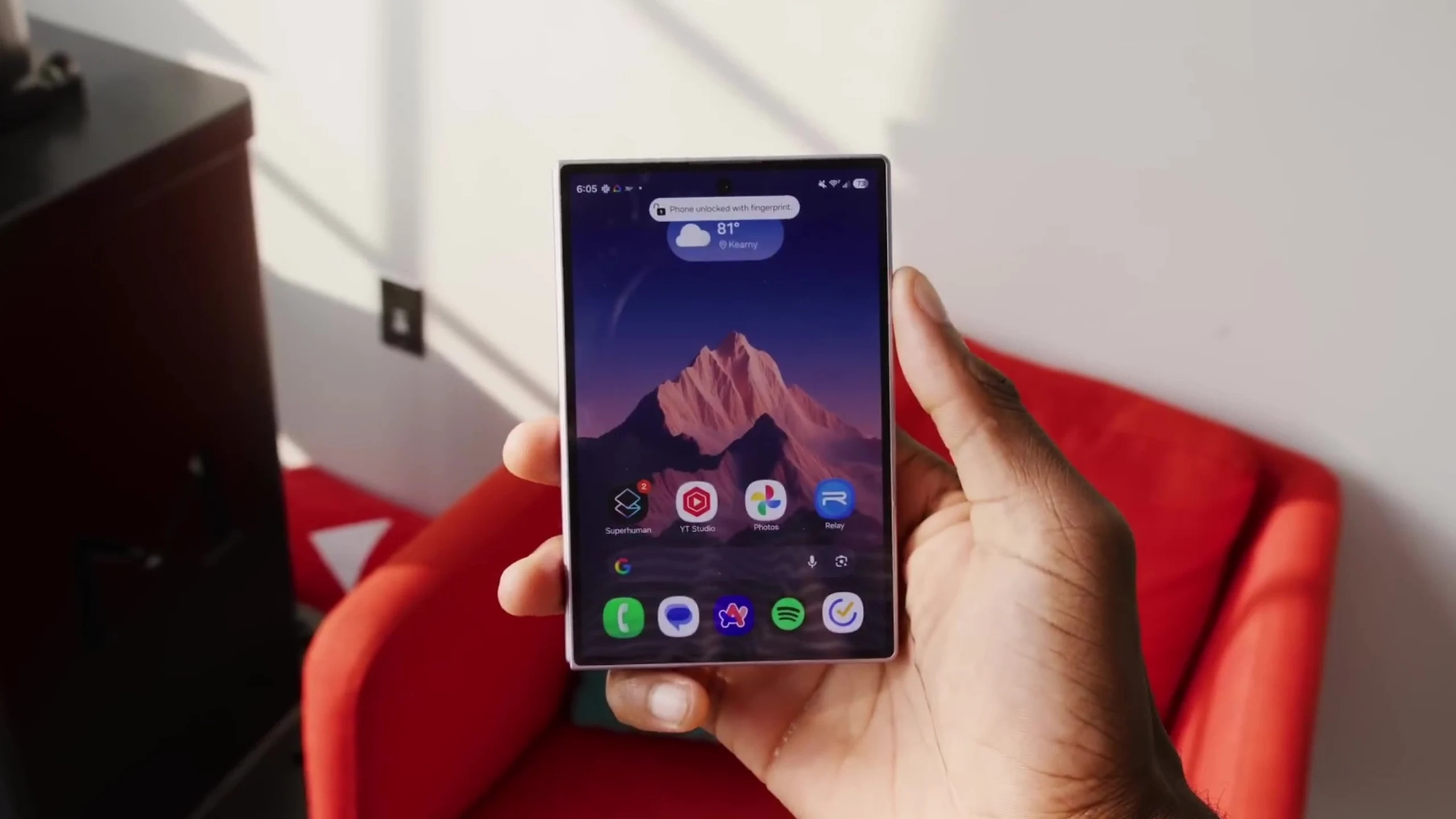
The Galaxy Z Fold8 is built around a mature foldable experience with strong productivity features, while the iPhone Duo introduces Apple's interpretation of the category with several hardware and software ideas of its own.
The biggest question won't necessarily be which phone has the longer specification sheet. It will be whether Apple's approach makes the foldable experience feel significantly more natural in everyday use.
That is something specifications alone cannot answer. The real comparison begins when both phones are in people's hands.